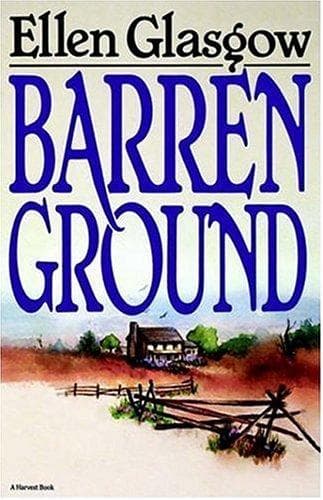
Country life -- Fiction; Pastoral fiction; Piedmont (U.S. : Region) -- Fiction; Virginia -- Fiction
Machinery could not work alone, and even tractor-ploughs were obliged to
be guided. She had installed an electric plant, and whenever it was
possible, she had replaced hand labour by electricity. In the beginning
she had dreaded the cost, but it was not long before she realized that
the mysterious agency had been her safest investment. The separator in
the dairy was run by electricity. With the touch of a button the skimmed
milk was carried by pipes to the calf-yard or the hog-pen. Pumping,
washing, churning, cooling the air in summer and warming it in winter,
all these back-breaking tasks were entrusted to the invisible power
which possessed the energy of human labour without the nerves that too
often impeded it, and made it so uncertain a force.
"What would Pa say if he could see so many cows milked by machinery?"
she asked John Abner, after the first experiment with electricity in the
cow-barn.
"Do you think it will help much in milking?"
"In the end it may. The young cows don't mind it, but you'll never get
the old ones to put up with it."
"Then until the young ones have turned into the old ones, we'll have to
take whatever milkers we can find. Cows must be milked twice a day, and
no darkey wants to work more than three times a week."
"They're still living on their war wages. If I ran this farm the way men
manage the Government, we'd be over head and ears in debt. Perhaps," she
suggested hopefully, "when the negroes have spent all they've saved up,
they'll begin to feel like working."
John Abner grinned. "Perhaps. But it takes a long time to starve a
darkey."
"Well, I'll see what Fluvanna can do about it," Dorinda retorted. She
did not smile at his jest because the problem, she felt, was a serious
one. The negro, who was by temperament a happiness hunter, could pursue
the small game of amusement, she was aware, with an unflagging pace.
Without labourers, the farms she had reclaimed with incalculable effort
would sink again into waste land. "Yes, I'll see what Fluvanna can do,"
she repeated.
In the end, it was Fluvanna who, with the assistance of the patriarchs
among the Moodys, the Greens, and the Plumtrees, drove the inveterate
pleasure-seekers back to the plough. Looking at the coloured woman,
generous, brisk, smiling, with her plump brown cheeks and her bright
slanting eyes, Dorinda would ask herself how she could have managed the
farm without Fluvanna. "Heaven knows what I should have done if I had
not had a pleasant disposition about me," she said. In return for
Fluvanna's sunny sympathy and her cheerful alacrity, which never
faltered, Dorinda had discreetly overlooked an occasional slackening of
industry.
Public-domain text, read in full here on John Shaqi.
Reviews
Reviews
No reviews yet
Be the first to share your thoughts on this work.
Elsewhere in the archive
Join the Discussion
Join the discussion
Sign in to leave a comment or review.
Sign InorCreate an account