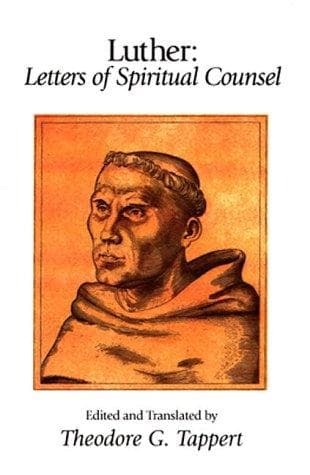
Commentary on Genesis, Vol. 1: Luther on the CreationLuther, Martin
ReligionChristian
Commentary on Genesis, Vol. 1: Luther on the Creation
Luther, Martin
Bible. Genesis -- Commentaries
Yes! the divine matters of original sin and original righteousness
extend much more widely and deeply than is imagined by the monks, who
understand original righteousness only as it refers to sexual
chastity. Whereas they ought first to look at the soul of man as the
seat of all sin and corruption and then turn to the body, and view it
as deriving all its defilement and pollution from the soul. With
reference to the soul the great proof of its fallen state under
original sin is, that we have lost the knowledge of God; that we do
not always and everywhere give thanks unto him; that we do not rejoice
in the works of his hands and all his doings; that we do not wholly
trust in him; that we begin to hate and blaspheme him whenever he
visits our sins with deserved punishments; that in our dealings with
our neighbor we follow our own interests, desires and objects, and are
plunderers, thieves, adulterers, murderers, cruel, unkind, unmerciful.
The ragings of lust are indeed a certain part of original sin, but
those sins and corruptions of the soul, unbelief, ignorance of God,
despair, hatred, blasphemy, of which calamities of the soul Adam knew
nothing in his state of innocence.
And in addition to these reflections, the numberless punishments of
original sin are to be contemplated. For whatever is now lost of those
endowments with which Adam was created and gifted, while his nature
was yet unfallen, is rightly considered the consequence of original
sin. Adam for instance was of a most perfect and sagacious intellect.
For the moment that Eve was presented to him he understood that she
was his own flesh. He had also the most minute knowledge of all the
other creatures. He was not only just and upright, but of a most
perfect and wonderful understanding in all things. He had moreover a
most upright will, yet not a perfect will; for perfection itself was
deferred from the state of the animal life to that of the spiritual
and eternal life. Let these comments suffice upon the sacred text
before us, Vs. 16 and 17, in which the church is constituted. Moses
now proceeds to marriage and domestic government (_oeconomia_).
PART IV. THE CREATION OF EVE.
V. 18. _And Jehovah God said, It is not good that the man should be
alone; I will make him an helpmeet for him (which may be before him)._
Public-domain text, read in full here on John Shaqi.
Reviews
Reviews
No reviews yet
Be the first to share your thoughts on this work.
Elsewhere in the archive
Join the Discussion
Join the discussion
Sign in to leave a comment or review.
Sign InorCreate an account