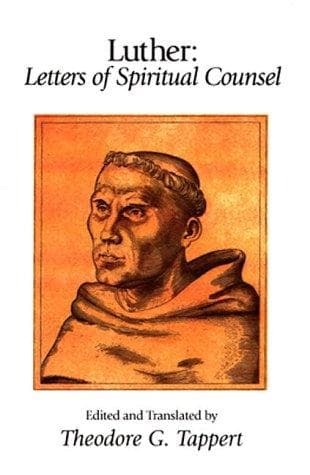
Commentary on Genesis, Vol. 1: Luther on the CreationLuther, Martin
ReligionChristian
Commentary on Genesis, Vol. 1: Luther on the Creation
Luther, Martin
Bible. Genesis -- Commentaries
These are lofty mysteries, nor is it safe to go further into them than
the Holy Spirit is pleased to lead us. Wherefore here let us stop;
content with the knowledge that when the unformed heaven and unformed
earth, each enveloped in mist and darkness, had stood forth created
out of nothing by the Word, the light also shone forth out of nothing;
and even out of darkness itself by the Word. The first work of the
Creator Paul speaks of as a marvellous work; "God that commanded the
light to shine out of darkness," etc. The command of God, says he,
made that light. This therefore is enough for us and sufficient to
confirm our faith, that Christ is truly God, who existed with the
Father from all eternity before the world was made; and that by him,
who is the wisdom and word of the Father, the Father made all things.
It is remarkable also that Paul in his passage makes the conversion of
the wicked the work of a new creation, and a work wrought also by the
Word.
But here reason impiously busies itself with foolish questions. It
argues, if the Word ever existed, why did not God create the heavens
and the earth before by that Word? And again, Since the heavens and
the earth were first made, when God began to speak, it seems to follow
that the Word then first had existence, when the creatures began to
exist, etc. But these impious cogitations are to be cast from us for
concerning these things we can determine nothing nor think aright. For
beyond that "beginning" of the creation is nothing but naked and
divine essence; naked deity! And since God is incomprehensible that
also is incomprehensible which was before the world; because it is
nothing less than naked God!
We believe it right therefore to speak only of "the beginning,"
because we cannot advance beyond the beginning. But since John and
Moses affirm that the Word was "in the beginning," and before every
creature, it of necessity follows that the Word was ever in the
Creator and in the naked essence of God. Therefore he is the true God;
yet so, that the Father begets and the Son is begotten. For Moses
establishes this difference when he names God, who spoke and the word
which was spoken. And this was enough for Moses to do; for the clearer
explanation of this mystery properly belongs to the New Testament and
to the Son, who is in the bosom of the Father. In the New Testament
therefore we hear the literal names of the sacred persons, the Father,
the Son and the Holy Ghost. These indeed are indicated in certain
psalms, and in the prophets but not so distinctly expressed.
Public-domain text, read in full here on John Shaqi.
Reviews
Reviews
No reviews yet
Be the first to share your thoughts on this work.
Join the Discussion
Join the discussion
Sign in to leave a comment or review.
Sign InorCreate an account