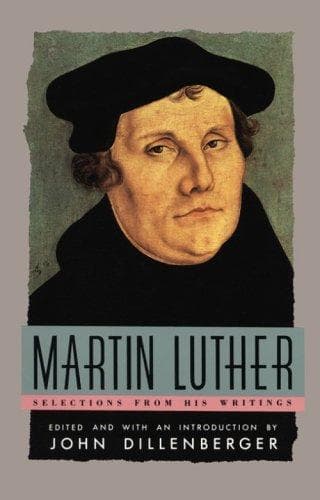
Disputation of Doctor Martin Luther on the Power and Efficacy of IndulgencesLuther, Martin
ReligionChristian
Disputation of Doctor Martin Luther on the Power and Efficacy of Indulgences
Luther, Martin
Indulgences; Reformation -- Germany -- Sources
Disputation of Doctor Martin Luther
on the Power and Efficacy of Indulgences
by Dr. Martin Luther, 1517
Published in:
Works of Martin Luther
Adolph Spaeth, L.D. Reed, Henry Eyster Jacobs, et Al., Trans. & Eds.
(Philadelphia: A. J. Holman Company, 1915), Vol. 1, pp. 29-38.
DISPUTATION OF DOCTOR MARTIN LUTHER
ON THE POWER AND EFFICACY OF
INDULGENCES
OCTOBER 31, 1517
Out of love for the truth and the desire to bring it to light, the
following propositions will be discussed at Wittenberg, under the
presidency of the Reverend Father Martin Luther, Master of Arts and of
Sacred Theology, and Lecturer in Ordinary on the same at that place.
Wherefore he requests that those who are unable to be present and
debate orally with us, may do so by letter.
In the Name our Lord Jesus Christ. Amen.
1. Our Lord and Master Jesus Christ, when He said Poenitentiam agite,
willed that the whole life of believers should be repentance.
2. This word cannot be understood to mean sacramental penance, i.e.,
confession and satisfaction, which is administered by the priests.
3. Yet it means not inward repentance only; nay, there is no inward
repentance which does not outwardly work divers mortifications of the
flesh.
4. The penalty [of sin], therefore, continues so long as hatred of self
continues; for this is the true inward repentance, and continues until
our entrance into the kingdom of heaven.
5. The pope does not intend to remit, and cannot remit any penalties
other than those which he has imposed either by his own authority or by
that of the Canons.
6. The pope cannot remit any guilt, except by declaring that it has
been remitted by God and by assenting to God's remission; though, to be
sure, he may grant remission in cases reserved to his judgment. If his
right to grant remission in such cases were despised, the guilt would
remain entirely unforgiven.
7. God remits guilt to no one whom He does not, at the same time,
humble in all things and bring into subjection to His vicar, the
priest. 8. The penitential canons are imposed only on the living, and,
according to them, nothing should be imposed on the dying.
9. Therefore the Holy Spirit in the pope is kind to us, because in his
decrees he always makes exception of the article of death and of
necessity.
10. Ignorant and wicked are the doings of those priests who, in the
case of the dying, reserve canonical penances for purgatory.
11. This changing of the canonical penalty to the penalty of purgatory
is quite evidently one of the tares that were sown while the bishops
slept.
12. In former times the canonical penalties were imposed not after, but
before absolution, as tests of true contrition.
13. The dying are freed by death from all penalties; they are already
dead to canonical rules, and have a right to be released from them.
Public-domain text, read in full here on John Shaqi.
Reviews
Reviews
No reviews yet
Be the first to share your thoughts on this work.
Join the Discussion
Join the discussion
Sign in to leave a comment or review.
Sign InorCreate an account