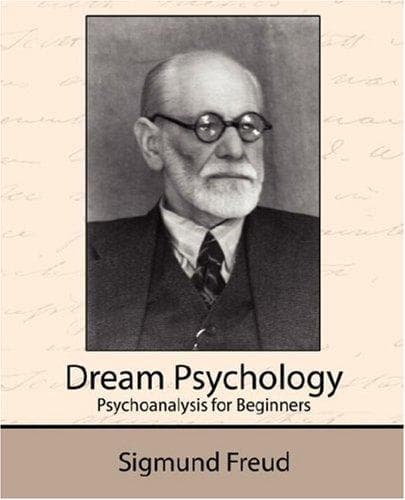
Dream Psychology: Psychoanalysis for BeginnersFreud, Sigmund
Science
Dream Psychology: Psychoanalysis for Beginners
Freud, Sigmund
Dreams; Psychoanalysis
Thus far we have made psychology on our own responsibility; it is now
time to examine the theoretical opinions governing present-day
psychology and to test their relation to our theories. The question of
the unconscious, in psychology is, according to the authoritative words
of Lipps, less a psychological question than the question of psychology.
As long as psychology settled this question with the verbal explanation
that the "psychic" is the "conscious" and that "unconscious psychic
occurrences" are an obvious contradiction, a psychological estimate of
the observations gained by the physician from abnormal mental states was
precluded. The physician and the philosopher agree only when both
acknowledge that unconscious psychic processes are "the appropriate and
well-justified expression for an established fact." The physician cannot
but reject with a shrug of his shoulders the assertion that
"consciousness is the indispensable quality of the psychic"; he may
assume, if his respect for the utterings of the philosophers still be
strong enough, that he and they do not treat the same subject and do not
pursue the same science. For a single intelligent observation of the
psychic life of a neurotic, a single analysis of a dream must force upon
him the unalterable conviction that the most complicated and correct
mental operations, to which no one will refuse the name of psychic
occurrences, may take place without exciting the consciousness of the
person. It is true that the physician does not learn of these
unconscious processes until they have exerted such an effect on
consciousness as to admit communication or observation. But this effect
of consciousness may show a psychic character widely differing from the
unconscious process, so that the internal perception cannot possibly
recognize the one as a substitute for the other. The physician must
reserve for himself the right to penetrate, by a process of deduction,
from the effect on consciousness to the unconscious psychic process; he
learns in this way that the effect on consciousness is only a remote
psychic product of the unconscious process and that the latter has not
become conscious as such; that it has been in existence and operative
without betraying itself in any way to consciousness.
Public-domain text, read in full here on John Shaqi.
Reviews
Reviews
No reviews yet
Be the first to share your thoughts on this work.
Elsewhere in the archive
Join the Discussion
Join the discussion
Sign in to leave a comment or review.
Sign InorCreate an account