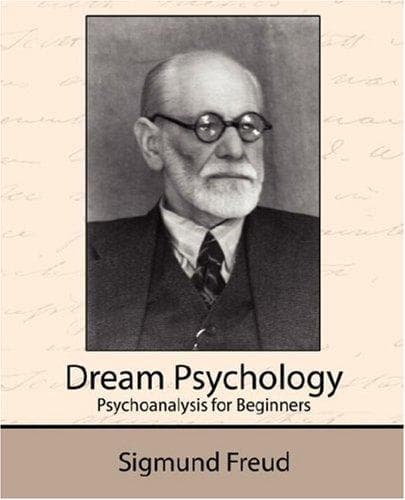
Dream Psychology: Psychoanalysis for Beginners — John Shaqi
Dream Psychology: Psychoanalysis for BeginnersFreud, Sigmund
Science
Dream Psychology: Psychoanalysis for Beginners
Freud, Sigmund
Dreams; Psychoanalysis
The essential content which stood out clearly and broadly in the dream
must, after analysis, rest satisfied with a very subordinate role among
the dream thoughts. These very dream thoughts which, going by my
feelings, have a claim to the greatest importance are either not present
at all in the dream content, or are represented by some remote allusion
in some obscure region of the dream. I can thus describe these
phenomena: _During the dream work the psychical intensity of those
thoughts and conceptions to which it properly pertains flows to others
which, in my judgment, have no claim to such emphasis_. There is no
other process which contributes so much to concealment of the dream's
meaning and to make the connection between the dream content and dream
ideas irrecognizable. During this process, which I will call _the dream
displacement_, I notice also the psychical intensity, significance, or
emotional nature of the thoughts become transposed in sensory vividness.
What was clearest in the dream seems to me, without further
consideration, the most important; but often in some obscure element of
the dream I can recognize the most direct offspring of the principal
dream thought.
I could only designate this dream displacement as the _transvaluation of
psychical values_. The phenomena will not have been considered in all
its bearings unless I add that this displacement or transvaluation is
shared by different dreams in extremely varying degrees. There are
dreams which take place almost without any displacement. These have the
same time, meaning, and intelligibility as we found in the dreams which
recorded a desire. In other dreams not a bit of the dream idea has
retained its own psychical value, or everything essential in these dream
ideas has been replaced by unessentials, whilst every kind of transition
between these conditions can be found. The more obscure and intricate a
dream is, the greater is the part to be ascribed to the impetus of
displacement in its formation.
The example that we chose for analysis shows, at least, this much of
displacement--that its content has a different center of interest from
that of the dream ideas. In the forefront of the dream content the main
scene appears as if a woman wished to make advances to me; in the dream
idea the chief interest rests on the desire to enjoy disinterested love
which shall "cost nothing"; this idea lies at the back of the talk about
the beautiful eyes and the far-fetched allusion to "spinach."
Public-domain text, read in full here on John Shaqi.
Reviews
Reviews
No reviews yet
Be the first to share your thoughts on this work.
Join the Discussion
Join the discussion
Sign in to leave a comment or review.
Sign InorCreate an account