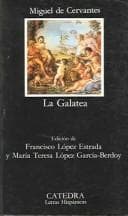
Spanish fiction -- Translations into English; Spanish poetry -- Translations into English
ELICIO.
A quill from any wing of lowly flight,
If it would wish unto the sky to rise,
The courtesy must sing, the zeal for right,
Of this rare phœnix, peerless 'neath the skies,
Our age's glory, and the world's delight,
Of the clear Tagus and its bank the prize,
Unequalled wisdom hers, and beauty rare,
Nature achieved her highest work in her.
ERASTRO.
Nature achieved her highest work in her,
In her the thought hath equal been to the art,
In her both worth and grace united were,
Which in all other maids are found apart,
In her humility and greatness share
Together side by side the self-same part,
In her Love hath his nest and dwelling made,
And yet my foe hath been the thankless maid.
ELICIO.
And yet my foe hath been the thankless maid,
Who would, and could, and should at once my thought
That wanders free, hold fast, if but the aid
Of one of her gossamer locks she sought;
Though I within the narrow noose am laid,
My capture is with so much pleasure fraught,
That foot and neck I stretch out to the chain,
Sweet is the name I call my bitter pain.
ERASTRO.
Sweet is the name I call my bitter pain,
Short is the life and full of misery
Of the sad soul my frame doth scarce sustain,
And sustenance doth scarce to it supply,
To my brief hope that it the crown should gain
Of faith, fortune once promised bounteously;
What pleasure, good or glory doth he know,
Where hope diminisheth and faith doth grow?
ELICIO.
Where hope diminisheth and faith doth grow,
There one can see and know the lofty aims
That loyal love proclaims; for he whose thought
Hath confidence but sought in love so pure,
Of a reward secure and certain is,
Which shall with truest bliss his soul delight.
ERASTRO.
The wretched suffering wight, whom illness swayeth
And with cruel anguish slayeth, is contented,
When he is most tormented by his grief,
With any small relief, though soon 'tis gone:
But when more dull hath grown at last the pain,
He calls on health, and fain would have it sound.
Not otherwise is found the tender breast
Of the lover oppressed with grievous sadness,
Who says his pain doth gladness find herein,
In that the light serene of the fair eyes
To which as spoil and prize he gave his days,
Should on him truly gaze or feignedly;
Soon as love sets him free and makes him strong,
He seeks with clamorous tongue more than before.
Public-domain text, read in full here on John Shaqi.
Reviews
Reviews
No reviews yet
Be the first to share your thoughts on this work.
Elsewhere in the archive
Join the Discussion
Join the discussion
Sign in to leave a comment or review.
Sign InorCreate an account