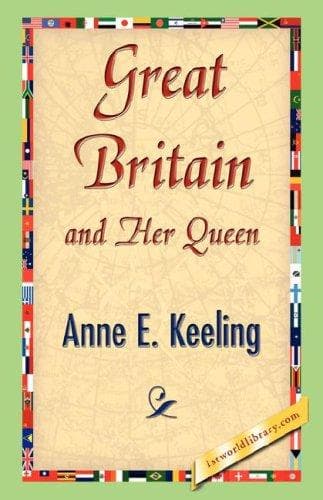
Great Britain -- History -- 19th century; Victoria, Queen of Great Britain, 1819-1901
It seemed as if poverty became ever more direful, and dissatisfaction
more importunate. A succession of unfavourable seasons and failing
crops produced extraordinary distress; and the distress in its turn
was fruitful first of deepened discontent, and then of political
disturbances. The working classes had looked for immediate relief
from their burdens when the Reform Bill should be carried, and had
striven hard to insure its success: it had been carried triumphantly
in 1832, but no perceptible improvement in their lot had yet
resulted; and a resentful feeling of disappointment and of being
victims of deception now added bitterness to their blind sense of
misery and injury, and greatly exasperated the political agitation of
the ten stormy years that followed.
No position could well be more trying than that of the inexperienced
girl who, in the first bloom of youth, was called to rule the land in
this wild transitional period. Her royal courage and gracious tact,
her transparent truthfulness, her high sense of duty, and her
precocious discretion served her well; but these young excellences
could not have produced their full effect had she not found in her
first Prime Minister a faithful friend and servant, whose loyal and
chivalrous devotion at once conciliated her regard, and who only used
the influence thus won to impress on his Sovereign's mind "sound
maxims of constitutional government, and truths of every description
which it behoved her to learn." The records of the time show plainly
that Lord Melbourne, the eccentric head of William IV's last Whig
Administration, was not generally credited with either the will or
the ability to play so lofty a part. His affectation of a lazy,
trifling, indifferent manner, his often-quoted remonstrance to
impetuous would-be reformers, "Can't you let it alone?" had earned
for him some angry disapproval, and caused him to be regarded as the
embodiment of the detested _laissez-faire_ principle. But under his
mask of nonchalance he hid some noble qualities, which at this
juncture served Queen and country well.
Considered as a frivolous, selfish courtier by too many of the
suffering poor and of their friends, he was in truth "acting in all
things an affectionate, conscientious, and patriotic part" towards
his Sovereign, "endeavouring to make her happy as a woman and popular
as a Queen," [Footnote] telling her uncourtly truths with a blunt
honesty that did not displease her, and watching over her with a
paternal tenderness which she repaid with frank, noble confidence. He
was faithful in a great and difficult trust; let his memory have due
honour.
[Footnote: C. C. F. Greville: "A Journal of the Reign of Queen
Victoria."]
Public-domain text, read in full here on John Shaqi.
Reviews
Reviews
No reviews yet
Be the first to share your thoughts on this work.
Join the Discussion
Join the discussion
Sign in to leave a comment or review.
Sign InorCreate an account