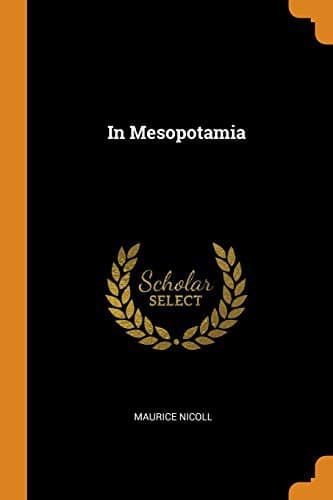
Medicine -- History -- 20th century -- Mesopotamia; World War, 1914-1918 -- Campaigns -- Turkey and the Near East -- Mesopotamia
For many days after this we moved about as it were in a vast furnace.
The nights were broken by sand-flies. Personally, I found the only way
of keeping them out was to wear socks on the feet and hands, and smear
the face and neck with some kind of ointment, on which their feet slip,
so that they cannot find a purchase when in the act of driving their
sucking apparatus into the skin. In the morning, what with the sweat and
the grease, and the tropical exhaustion, one looked like few things on
earth. Oil of citronella is only of temporary use; paraffin and creosote
are of little good. Butter muslin nets are out of the question, as the
heat is stifling under them. The burning of aromatic or pungent
compounds is useless, and as for killing them, one might lie awake all
night, scuffling and dabbing and slapping at the almost invisible forms
without gaining the slightest benefit. In the day time they hide in
cracks in the ground, under bits of matting or anywhere out of the sun.
Sand-fly fever is a malady that begins like influenza. One aches all
over. All the side of life that is enjoyment fades away. It is
impossible to smoke, or eat, or drink, or read, or talk. In Malta, where
it is indigenous, a convalescence of three weeks is allowed. It was not
possible to allow that in Amara. The fever lasts two or three days,
coming down in two main stages. The use of opium is recommended. As
regards the use of opium in Mesopotamia, it was possible to gain the
idea from actual experience that it was a most valuable drug during the
hot season. If limited to three drugs and no more, for work in that
country, I should prefer opium, Epsom salts and quinine. The quinine
that we obtained through official channels was in the form of pink
tablets and came from the cinchona plantations at Darjeeling that are
run by the Indian Government. These tablets are coloured pink to prevent
fraudulent selling, for they are handed out to natives in malarial
districts in large quantities, free of charge, and natives are not great
believers in medicine. The tablets are extremely hard and insoluble.
Prolonged exposure to the action of dilute mineral acids produces no
effect on them. We had, for the men, quinine parades, when five grains
were swallowed as a prophylactic against malaria every day. They were
amusing affairs to watch--serried ranks with water-bottles, standing to
attention while the sergeant dispenser walked with proper dignity down
the line handing a pink tablet to each man, who gulped it spasmodically,
took a draught of water and returned to attention. It reminded one of a
religious ceremony, of some strange communion service. In giving the
quinine in large doses it was essential to dissolve it, if any effect
was aimed at. Even then it rarely produced symptoms of quinine
poisoning. The home preparations were more satisfactory to use. As
regards opium, it was useful, apart from sand-fly fever, in those
frayed, sleepless states of mind that prolonged heat induces. The
Public-domain text, read in full here on John Shaqi.
Reviews
Reviews
No reviews yet
Be the first to share your thoughts on this work.
Join the Discussion
Join the discussion
Sign in to leave a comment or review.
Sign InorCreate an account