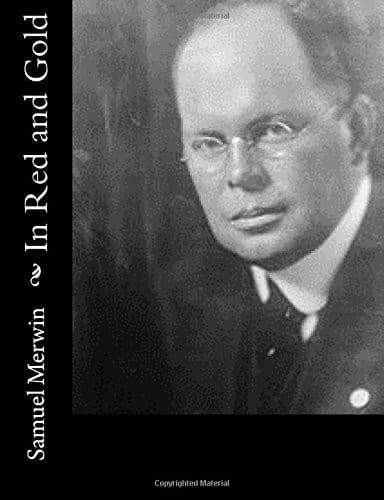
China -- History -- Revolution, 1911-1912 -- Fiction; Love stories; River boats -- Fiction; Yangtze River (China) -- Fiction
“I, your unworthy servant,”--it read--“have learned with sorrow and
tears of the decree permitting me to withdraw from this troubled life
in solitude and peace without the painful consequences of a death by
the headsman's sword. And in bowing humbly to your will I, your unworthy
servant, recognize that my life lies wholly in your hands to be disposed
of as seems best to the imperial wisdom. But in thus proving my never
weakening loyalty to the imperial will I also must express the sober
thoughts of one who has pondered long over the evils that beset our land
and who has ventured at times, weakly, to hope that China might pay
heed to certain lessons of recent history and find a way to oppose
successfully the pressure of other powerful nations upon us. For it
has been my privilege, as a long-time servant of the throne, to observe
certain of these other nations at first hand and to learn a little of
their power, which is very great.
“On another occasion I, your unworthy servant, wittingly incurred danger
of death or imprisonment, because, in the eagerness of my convictions,
I dared to suggest certain reforms to the throne. There is a saying that
the tree which bends before the gale will never be broken off but will
grow to a ripe old age, and my hope has always been for a great and
growing China. At that time princes and ministers about the throne
asked permission to subject me to a criminal investigation, but his late
majesty was pleased to spare me. Therefore my last years have been a
boon at the hand of his late majesty.”
There followed a clear, dignified statement of the urgent need for vast
reforms. His excellency recalled in detail his long years of service and
his decorations and honors. Quietly he called attention to the fact that
all, or nearly all, China was in revolt, that the throne tottered, that
to permit the government longer to be dominated by corrupt eunuchs was
an affront to modern as to ancient thought and morality. It was clear
to himself, he stated, that without a skilfully organized system of
gradual, perhaps rapid, modernization, China would soon crumble to
pieces under the heel of the greedy foreigners. And there was profound
pathos in the passing remark that perhaps his suicide, far from home,
his vast estate seized by government agents or despoiled by robbers, his
person, alone, beyond the reach of harm--safe, in fact, with the hated
foreigners--might stand as a final proof of his loyalty to the throne in
serving which his long life had been spent.
Public-domain text, read in full here on John Shaqi.
Reviews
Reviews
No reviews yet
Be the first to share your thoughts on this work.
Elsewhere in the archive
Join the Discussion
Join the discussion
Sign in to leave a comment or review.
Sign InorCreate an account