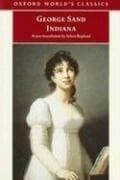
France -- Fiction; Man-woman relationships -- Fiction; Marriage -- Fiction; Women -- France -- Fiction
In his isolation Raymon really suffered to feel that he was like a
corpse amid the devouring activity of a society on the brink of
dissolution, to feel that he was prevented, by his embarrassment as to
the color he should assume no less than by illness, from enlisting under
the warlike banners that waved on all sides, summoning the most obscure
and the least experienced to the great conflict. The intense pains of
his malady, solitude, ennui and fever insensibly turned his ideas into
another channel. He asked himself, for the first time, perhaps, if
society had deserved all the pains he had taken to make himself
agreeable to it, and he judged society justly when he saw that it was so
indifferent with regard to him, so forgetful of his talents and his
glory. Then he took comfort for having been its dupe by assuring himself
that he had never sought anything but his personal gratification; and
that he had found it there, thanks to himself. Nothing so confirms us in
egotism as reflection. Raymon drew this conclusion from it: that man, in
the social state, requires two sorts of happiness, happiness in public
life and in private life, social triumphs and domestic joys.
His mother, who nursed him assiduously, fell dangerously ill; it was his
turn to forget his own sufferings and to take care of her; but his
strength was not sufficient. Ardent, passionate souls display miraculous
stores of health in times of danger; but lukewarm, indolent souls do not
arouse such supernatural outbursts of bodily strength. Although Raymon
was a good son, as the phrase is understood in society, he succumbed
physically under the weight of fatigue. Lying on his bed of pain, with
no one at his pillow save hirelings and now and then a friend who was in
haste to return to the excitements of social life, he began to think of
Indiana, and he sincerely regretted her, for at that time she would have
been most useful to him. He remembered the dutiful attentions she had
lavished on her crabbed old husband and he imagined the gentle and
beneficent care with which she would have encompassed her lover.
"If I had accepted her sacrifice," he thought, "she would be dishonored;
but what would it matter to me now? Abandoned as I am by a frivolous,
selfish world, I should not be alone; she whom everybody spurned with
contumely would be at my feet, impelled by love; she would weep over my
sufferings and would find a way to allay them. Why did I discard that
woman? She loved me so dearly that she would have found consolation for
the insults of her fellows by bringing a little happiness into my
domestic life."
Public-domain text, read in full here on John Shaqi.
Reviews
Reviews
No reviews yet
Be the first to share your thoughts on this work.
Elsewhere in the archive
Join the Discussion
Join the discussion
Sign in to leave a comment or review.
Sign InorCreate an account