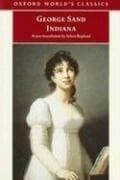
France -- Fiction; Man-woman relationships -- Fiction; Marriage -- Fiction; Women -- France -- Fiction
He determined to marry when he recovered, and he mentally reviewed the
names and faces that had impressed him in the salons of the two
divisions of society. Fascinating apparitions flitted through his
dreams; head-dresses laden with flowers, snowy shoulders enveloped in
swansdown capes, supple forms imprisoned in muslin or satin: such
alluring phantoms fluttered their gauze wings before Raymon's heavy,
burning eyes; but he had seen these peris only in the perfumed whirl of
the ballroom. On waking, he asked himself whether their rosy lips knew
any other smiles than those of coquetry; whether their white hands could
dress the wounds of sorrow; whether their refined and brilliant wit
could stoop to the painful task of consoling and diverting a horribly
bored invalid. Raymon was a man of keen intelligence and he was more
distrustful than other men of the coquetry of women; he had a more
intense hatred of selfishness because he knew that from a selfish person
he could obtain nothing to advance his own happiness. And then Raymon
was no less embarrassed concerning the choice of a wife than concerning
the choice of his political colors. The same reasons imposed moderation
and prudence on him. He belonged to a family of high rank and unbending
pride which would brook no mésalliance, and yet wealth could no longer
be considered secure except in plebeian hands. According to all
appearance that class was destined to rise over the ruins of the other,
and in order to maintain oneself on the surface of the movement one must
be the son-in-law of a manufacturer or a stock-broker. Raymon concluded
therefore that it would be wise to wait and see which way the wind blew
before entering upon a course of action which would decide his whole
future.
These positive reflections made plain to him the utter lack of affection
which characterizes marriages of convenience, so-called, and the hope of
having some day a companion worthy of his love entered only incidentally
into his prospects of happiness. Meanwhile his illness might be
prolonged, and the hope of better days to come does not efface the keen
consciousness of present pains. He recurred to the unpleasant thought of
his blindness on the day he had declined to kidnap Madame Delmare, and
he cursed himself for having comprehended so imperfectly his real
interests.
At this juncture he received the letter Indiana wrote him from Ile
Bourbon. The sombre and inflexible energy which she retained, amid
shocks which might well have crushed her spirit, made a profound
impression on Raymon.
"I judged her ill," he thought; "she really loved me, she still loves
me; for my sake she would have been capable of those heroic efforts
which I considered to be beyond a woman's strength; and now I probably
need say but a word to draw her, like an irresistible magnet, from one
end of the world to the other. If six months, eight months, perhaps,
were not necessary to obtain that result, I would like to make the
trial!"
Public-domain text, read in full here on John Shaqi.
Reviews
Reviews
No reviews yet
Be the first to share your thoughts on this work.
Elsewhere in the archive
Join the Discussion
Join the discussion
Sign in to leave a comment or review.
Sign InorCreate an account