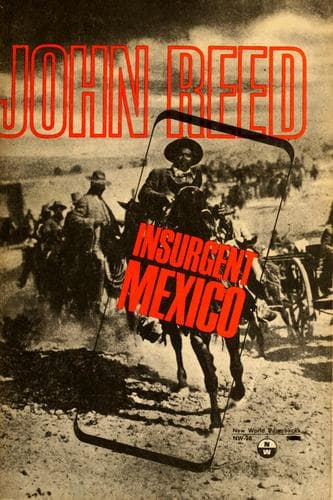
Mexico -- History -- 1910-1946; Mexico -- History -- Revolution, 1910-1920
But when we came right down to cases, Señor Fabela told me that the
First Chief would answer no questions outright. They had all to be put
in writing, he said, and submitted to Fabela first. He would then take
them to Carranza and bring back his answer. Accordingly, the next
morning I wrote out on paper about twenty-five questions and gave them
to Fabela. He read them carefully.
"Ah!" he said; "there are many questions here that I know the First
Chief will not answer. I advise you to strike them out."
"Well, if he doesn’t answer them," I said, "all right. But I would like
to give him a chance to see them. He could only refuse to answer them."
"No," said Fabela, politely. "You had better strike them out now. I
know exactly what he will answer and what he will not. You see, some of
your questions might prejudice him against answering all the rest, and
you would not want that to occur, would you?"
"Señor Fabela," I said, "are you sure that you know just what Don
Venustiano won’t answer?"
"I know that he won’t answer these," he replied, indicating four or five
which dealt rather specifically with the platform of the
Constitutionalist government: such as land distribution, direct
elections, and the right of suffrage among the peons.
"I will bring back your answers in twenty-four hours," he said. "Now I
will take you to see the Chief; but you must promise me this: that you
will not ask him any questions,—that you will simply go into the room,
shake hands with him, and say ’How do you do,’ and leave again
immediately."
Public-domain text, read in full here on John Shaqi.
Reviews
Reviews
No reviews yet
Be the first to share your thoughts on this work.
Elsewhere in the archive
Join the Discussion
Join the discussion
Sign in to leave a comment or review.
Sign InorCreate an account