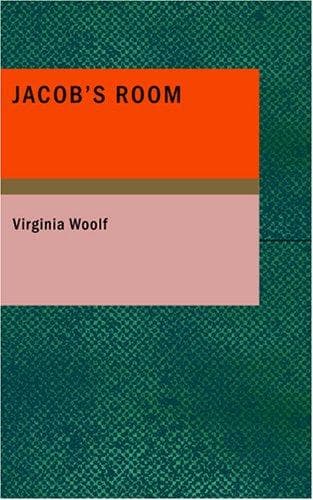
England -- Fiction; Experimental fiction; Psychological fiction; World War, 1914-1918 -- England -- Fiction; Young men -- Fiction
All night men and women seethed up and down the well-known beats. Late
home-comers could see shadows against the blinds even in the most
respectable suburbs. Not a square in snow or fog lacked its amorous
couple. All plays turned on the same subject. Bullets went through heads
in hotel bedrooms almost nightly on that account. When the body escaped
mutilation, seldom did the heart go to the grave unscarred. Little else
was talked of in theatres and popular novels. Yet we say it is a matter
of no importance at all.
What with Shakespeare and Adonais, Mozart and Bishop Berkeley--choose
whom you like--the fact is concealed and the evenings for most of us
pass reputably, or with only the sort of tremor that a snake makes
sliding through the grass. But then concealment by itself distracts the
mind from the print and the sound. If Florinda had had a mind, she might
have read with clearer eyes than we can. She and her sort have solved
the question by turning it to a trifle of washing the hands nightly
before going to bed, the only difficulty being whether you prefer your
water hot or cold, which being settled, the mind can go about its
business unassailed.
But it did occur to Jacob, half-way through dinner, to wonder whether
she had a mind.
They sat at a little table in the restaurant.
Florinda leant the points of her elbows on the table and held her chin
in the cup of her hands. Her cloak had slipped behind her. Gold and
white with bright beads on her she emerged, her face flowering from her
body, innocent, scarcely tinted, the eyes gazing frankly about her, or
slowly settling on Jacob and resting there. She talked:
"You know that big black box the Australian left in my room ever so long
ago? ... I do think furs make a woman look old.... That's Bechstein come
in now.... I was wondering what you looked like when you were a little
boy, Jacob." She nibbled her roll and looked at him.
"Jacob. You're like one of those statues.... I think there are lovely
things in the British Museum, don't you? Lots of lovely things ..." she
spoke dreamily. The room was filling; the heat increasing. Talk in a
restaurant is dazed sleep-walkers' talk, so many things to look at--so
much noise--other people talking. Can one overhear? Oh, but they mustn't
overhear US.
"That's like Ellen Nagle--that girl ..." and so on.
"I'm awfully happy since I've known you, Jacob. You're such a GOOD man."
The room got fuller and fuller; talk louder; knives more clattering.
"Well, you see what makes her say things like that is ..."
She stopped. So did every one.
"To-morrow ... Sunday ... a beastly ... you tell me ... go then!" Crash!
And out she swept.
Public-domain text, read in full here on John Shaqi.
Reviews
Reviews
No reviews yet
Be the first to share your thoughts on this work.
Join the Discussion
Join the discussion
Sign in to leave a comment or review.
Sign InorCreate an account