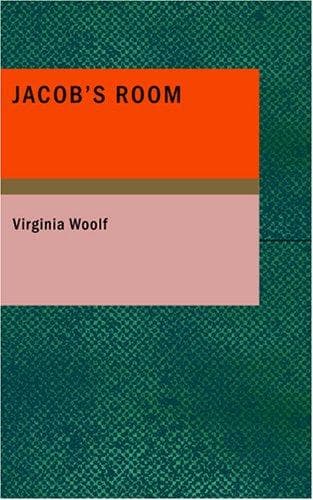
England -- Fiction; Experimental fiction; Psychological fiction; World War, 1914-1918 -- England -- Fiction; Young men -- Fiction
The little cards, however, with names engraved on them, are a more
serious problem than the flowers. More horses' legs have been worn out,
more coachmen's lives consumed, more hours of sound afternoon time
vainly lavished than served to win us the battle of Waterloo, and pay
for it into the bargain. The little demons are the source of as many
reprieves, calamities, and anxieties as the battle itself. Sometimes
Mrs. Bonham has just gone out; at others she is at home. But, even if
the cards should be superseded, which seems unlikely, there are unruly
powers blowing life into storms, disordering sedulous mornings, and
uprooting the stability of the afternoon--dressmakers, that is to say,
and confectioners' shops. Six yards of silk will cover one body; but if
you have to devise six hundred shapes for it, and twice as many
colours?--in the middle of which there is the urgent question of the
pudding with tufts of green cream and battlements of almond paste. It
has not arrived.
The flamingo hours fluttered softly through the sky. But regularly they
dipped their wings in pitch black; Notting Hill, for instance, or the
purlieus of Clerkenwell. No wonder that Italian remained a hidden art,
and the piano always played the same sonata. In order to buy one pair of
elastic stockings for Mrs. Page, widow, aged sixty-three, in receipt of
five shillings out-door relief, and help from her only son employed in
Messrs. Mackie's dye-works, suffering in winter with his chest, letters
must be written, columns filled up in the same round, simple hand that
wrote in Mr. Letts's diary how the weather was fine, the children
demons, and Jacob Flanders unworldly. Clara Durrant procured the
stockings, played the sonata, filled the vases, fetched the pudding,
left the cards, and when the great invention of paper flowers to swim in
finger-bowls was discovered, was one of those who most marvelled at
their brief lives.
Nor were there wanting poets to celebrate the theme. Edwin Mallett, for
example, wrote his verses ending:
/*
And read their doom in Chloe's eyes,
*/
which caused Clara to blush at the first reading, and to laugh at the
second, saying that it was just like him to call her Chloe when her name
was Clara. Ridiculous young man! But when, between ten and eleven on a
rainy morning, Edwin Mallett laid his life at her feet she ran out of
the room and hid herself in her bedroom, and Timothy below could not get
on with his work all that morning on account of her sobs.
"Which is the result of enjoying yourself," said Mrs. Durrant severely,
surveying the dance programme all scored with the same initials, or
rather they were different ones this time--R.B. instead of E.M.; Richard
Bonamy it was now, the young man with the Wellington nose.
"But I could never marry a man with a nose like that," said Clara.
"Nonsense," said Mrs. Durrant.
"But I am too severe," she thought to herself. For Clara, losing all
vivacity, tore up her dance programme and threw it in the fender.
Public-domain text, read in full here on John Shaqi.
Reviews
Reviews
No reviews yet
Be the first to share your thoughts on this work.
Join the Discussion
Join the discussion
Sign in to leave a comment or review.
Sign InorCreate an account