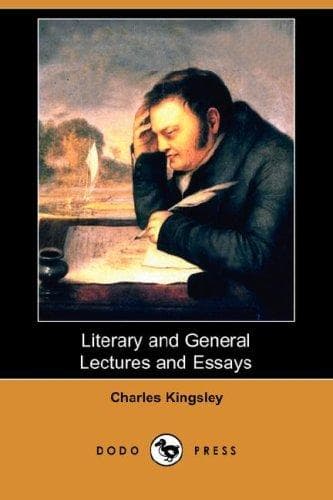
Literary and General Lectures and EssaysKingsley, Charles
History
Literary and General Lectures and Essays
Kingsley, Charles
English literature -- History and criticism
And here arises a new question--Is Shelley, then, among the
Claudians? It is a hard saying. The present generation will receive
it with shouts of laughter. Some future one, which studies and
imitates Shakespeare instead of anatomising him, and which gradually
awakens to the now forgotten fact, that a certain man named Edmund
Spenser once wrote a poem, the like of which the earth never saw
before, and perhaps may never see again, may be inclined to acquiesce
in the verdict, and believe that Byron had a discrimination in this
matter, as in a hundred more, far more acute than any of his
compeers, and had not eaten in vain, poor fellow, of the tree of the
knowledge of good and evil. In the meanwhile, we may perceive in the
poetry of the two men deep and radical differences, indicating a
spiritual difference between them even more deep, which may explain
the little notice which Byron takes of Shelley's poetry, and the fact
that the two men had no deep sympathy for each other, and could not
in any wise "pull together" during the sojourn in Italy. Doubtless,
there were plain outward faults of temper and character on both
sides; neither was in a state of mind which could trust itself, or be
trusted by those who loved them best. Friendship can only consist
with the calm and self-restraint and self-respect of moral and
intellectual health; and both were diseased, fevered, ready to take
offence, ready, unwittingly, to give it. But the diseases of the two
were different, as their natures were; and Shelley's fever was not
Byron's.
Public-domain text, read in full here on John Shaqi.
Reviews
Reviews
No reviews yet
Be the first to share your thoughts on this work.
Join the Discussion
Join the discussion
Sign in to leave a comment or review.
Sign InorCreate an account