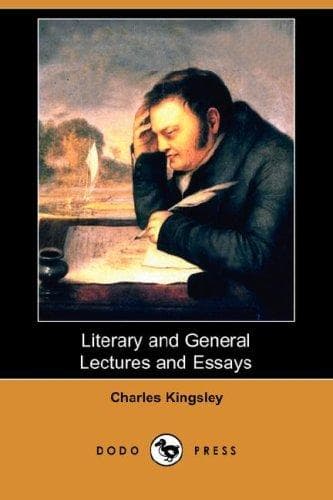
Literary and General Lectures and EssaysKingsley, Charles
History
Literary and General Lectures and Essays
Kingsley, Charles
English literature -- History and criticism
no quarter; that there is no use giving them any; to spare them is to
make them insolent; to fondle the reptile is to be bitten by it.
True poetry, as the messenger of heavenly beauty, is decaying; true
refinement, true loftiness of thought, even true morality, are at
stake. And so he writes his "Dunciad." And would that he were here,
to write it over again, and write it better!
For write it again he surely would. And write it better he would
also. With the greater cleanliness of our time, with all the
additional experience of history, with the greater classical,
aesthetic, and theological knowledge of our day, the sins of our
poets are as much less excusable than those of Eusden, Blackmore,
Cibber, and the rest, as Pope's "Dunciad" on them would be more
righteously severe. What, for instance, would the author of the
"Essay on Man" say to anyone who now wrote p. 137 (for it really is
not to be quoted) of the "Life Drama" as the thoughts of his hero,
without any after atonement for the wanton insult it conveys toward
him whom he dares in the same breath to call "Father," simply because
he wants to be something very fine and famous and self-glorifying,
and Providence keeps him waiting awhile? Has Pope not said it
already?
Persist, by all divine in man unawed,
But learn, ye dunces, not to scorn your God!
And yet no; the gentle goddess would now lay no such restriction on
her children, for in Pope's day no man had discovered the new poetic
plan for making the divine in man an excuse for scorning God, and
finding in the dignity of "heaven-born genius" free licence to
upbraid, on the very slightest grounds, the Being from whom the said
genius pretends to derive his dignity. In one of his immortal saws
he has cautioned us against "making God in man's image." But it
never entered into his simple head that man would complain of God for
being made in a lower image than even his own. Atheism he could
conceive of; the deeper absurdity of Authotheism was left for our
more enlightened times and more spiritual muses.
Public-domain text, read in full here on John Shaqi.
Reviews
Reviews
No reviews yet
Be the first to share your thoughts on this work.
Join the Discussion
Join the discussion
Sign in to leave a comment or review.
Sign InorCreate an account