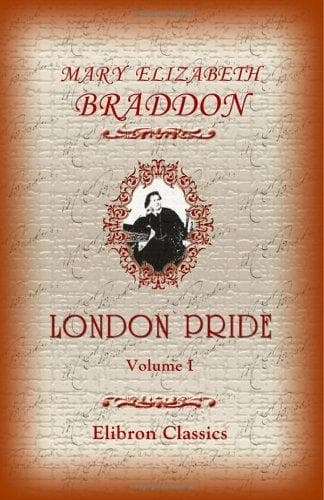
London Pride, Or, When the World Was YoungerBraddon, M. E. (Mary Elizabeth)
History
London Pride, Or, When the World Was Younger
Braddon, M. E. (Mary Elizabeth)
Great Britain -- History -- Charles II, 1660-1685 -- Fiction; London (England) -- Fiction
No! Lovely as she was, modest, refined, and in all things worthy to be
loved, the question of creed must be a stumbling-block. And then there
were other objections. Rural gossip, the loose talk of servants, had
brought a highly coloured description of Lady Fareham’s household to
her neighbour’s ears. The extravagant splendour, the waste and
idleness, the late hours, the worship of pleasure, the visiting, the
singing, and dancing, and junketing, and worst of all, the
too-indulgent friendship shown to a Parisian fopling, had formed the
subject of conversation in many an assembly of pious ladies, and hands
and eyebrows had been uplifted at the iniquities of Chilton Abbey, as
second only to the monstrous goings-on of the Court at Oxford.
Almost ever since the Restoration Lady Warner had been living in meek
expectancy of fire from heaven; and the chastisement of this memorable
year had seemed to her the inevitable realisation of her fears. The
fiery rain had come down—impalpable, invisible, leaving its deadly
tokens in burning plague spots, the forerunners of death. That the
contagion had mostly visited that humbler class of persons who had been
strangers to the excesses and pleasures of the Court made nothing
against Lady Warner’s conviction that this scourge was Heaven’s
vengeance upon fashionable vice. Her son had brought her stories of the
life at Whitehall, terrible pictures of iniquity, conveyed in the
scathing words of one who sat apart, in a humble lodging, where for him
the light of day came not, and heard with disgust and horror of that
wave of debauchery which had swept over the city he loved, since the
triumph of the Royalists. And Lady Warner had heard the words of
Milton, and had listened with a reverence as profound as if the blind
poet had been the prophet of Israel, alone in his place of hiding,
holding himself aloof from an idolatrous monarch and a wicked people.
And now her son had brought her this fair girl, upon whom he had set
his foolish hopes, a Papist, and the sister of a woman whose ways were
the ways of—! A favourite scriptural substantive closed the sentence in
Lady Warner’s mind.
Public-domain text, read in full here on John Shaqi.
Reviews
Reviews
No reviews yet
Be the first to share your thoughts on this work.
Elsewhere in the archive
Join the Discussion
Join the discussion
Sign in to leave a comment or review.
Sign InorCreate an account