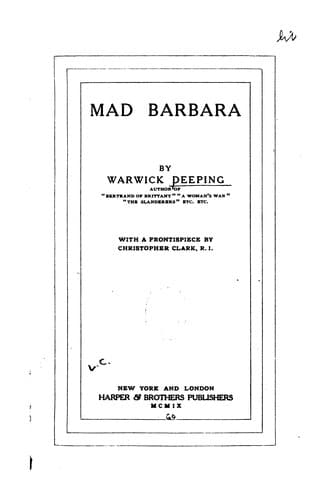
Great Britain -- History -- Charles II, 1660-1685 -- Fiction
At Thorn, in Sussex, my Lord of Gore hid himself from the knowledge of
all these things, a man shrunken strangely from his former buxom self, a
man without nerve or energy for the moment, vacillating between plans on
a dash across the Channel for France, and the timidity of a hunted thing
that fears to leave its hiding-place for the open. Even as Monmouth the
Protestant prince at the head of an army differed from Monmouth the
panic-obsessed fugitive skulking in a ditch, so the Stephen Gore of
Whitehall differed from the Stephen Gore of Thorn. Some blight seemed to
have fallen on him, turning his manhood into a white-faced,
memory-haunted thing afraid of the very shadow of its own thoughts. That
brief, fierce burst of winter may have helped to chill the marrow in the
courtier’s bones, with the wailing of the wind and the whirling of the
snow. For a man cannot do without food and fire, and Stephen Gore had to
turn drudge to his own need. At first he had tried to dispense with a
fire for fear the smoke should betray him, but when he had shivered and
ached for two days his caution surrendered to the lust for warmth, and
he brought in fagots and with great trouble made a blaze. He had found a
store of salted meat, ship’s biscuits, and other stuffs still left in
the place, and though Thorn had a horror for him, he clung to it like a
fox to his “earth,” knowing of no other place wherein to hide himself.
For there seemed hardly a better place in the kingdom than Thorn, for
Pinniger and his woman had not been molested all those weeks. There
would be a score of open ways for a bold and resolute man to take later,
but the heart was utterly out of Stephen Gore, and the spirit of
yesterday was not the spirit of to-day.
Yet what, after all, had he to fear, setting visions of judgment and
other worlds aside, but the passing fury of a Protestant mob and the
wild tale of a double murder? A month ago these menaces would have stung
the self in the man to thrust them aside with audacity and resolution.
But a climax had come and gone; something was breaking in him and taking
his cool self-trust away, and he felt like Samson shorn of his hair.
Perhaps the bile had congealed in him with the cold, for nothing can
make a man more tame and listless than a clogged and sluggish liver.
Perhaps he had lost faith in his own genius for success. Perhaps he was
penitent. This last would have been the pretty, saintly end, confession
and absolution, penance, the lighting of tapers and saying of masses,
and all the saints in the calendar stretching out succoring hands. Yet
there is something incongruous in the idea of a strong, selfish, cynical
man huddling himself feverishly into the habit of religiosity when
Retribution comes knocking at the door. It often fails to impress the
conscience. It is not always convincing, even in romance.
Public-domain text, read in full here on John Shaqi.
Reviews
Reviews
No reviews yet
Be the first to share your thoughts on this work.
Elsewhere in the archive
Join the Discussion
Join the discussion
Sign in to leave a comment or review.
Sign InorCreate an account