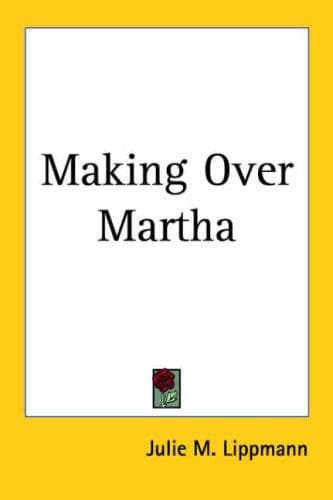
Country life -- Fiction; New England -- Social life and customs -- Fiction
That was the way it was with everything in her life, she brooded. She
was continually under some sort of crushing necessity to hold in, and
hold back. She had never been free, as most girls of her age are, and
there seemed no prospect that she ever would be. On the contrary, there
was every likelihood she would be more and more confined and restricted,
as the years went on, if, as the doctor had said, this was but the
beginning of the end. The future looked desperately black. As for the
past, she could remember a time, away back, when she was a little girl,
when things had been very different.
A child’s mind does not measure and weigh according to scale, and
Katherine could not fix the precise degree of her mother’s grace, her
father’s dashing beauty, the luxury of the home in which they, all
three, lived. But she had more than her memory to rely upon. There
were likenesses, there were relics, there were the continual jibes of
her grandmother through recent years, to the effect that she "had been
brought up like a fool; it was time she learned better."
At her mother’s death, her father had carried her to his parents’ home.
Looking back, she had no sense of having suffered surprise or
disappointment by the change. The new home must have compared favorably
with the old. She could remember her grandfather’s _table_—a most
formidable function, to which she was conducted, at dessert, by a
nervous nurse, "afraid of her life there’ll be a to-do if you don’t look
right, an’ hold up your head, an’ speak out when you’re spoken to, Miss
Kath’rine."
Her father’s sudden death had made no change in outward conditions. It
was when her grandfather passed away that there was a difference. Then,
suddenly, she seemed to wake one morning to a realization of lack. She
could not be at all certain her impression was correct. The alteration
might have been so gradual, she had failed to notice it, and it was her
consciousness of the fact, and not the fact itself, that came upon her
abruptly. The way did not matter, the fact did. It all summed itself
up to this, that the grudging hand was certainly not her grandfather’s,
much less her father’s. They had been open-handed to a fault. The one
who stinted, of whom the country-people ’round about said: "She’ll pinch
a penny till the eagle screams," was—
"Katherine!"
The girl started guiltily at the sound of the thick, labored syllables.
"Yes, grandmother." She was at the bed’s side in a moment.
"That doctor—— He’s not to come again, understand? Call Driggs."
"Yes, grandmother. But perhaps Dr. Driggs will refuse to come. You
found fault with his bill last time, you know, and he didn’t like it
very well."
"Tush! He’s forgotten that by this time. But——"
"Well?"
"If he _should_ refuse, and I have to have—the other, understand, you’re
not to have anything to do with him. I forbid it!"
"Yes, grandmother."
"Ballard! I know the tribe. Leave him alone, and see he leaves _you_
alone."
Public-domain text, read in full here on John Shaqi.
Reviews
Reviews
No reviews yet
Be the first to share your thoughts on this work.
Join the Discussion
Join the discussion
Sign in to leave a comment or review.
Sign InorCreate an account