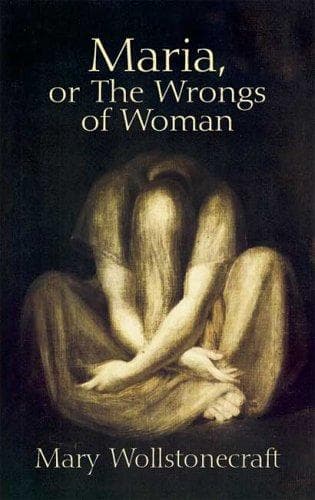
Maria; Or, The Wrongs of WomanWollstonecraft, Mary
General
Maria; Or, The Wrongs of Woman
Wollstonecraft, Mary
Autobiographical fiction; Feminist fiction; Women -- Fiction
“‘The marriage state is certainly that in which women, generally
speaking, can be most useful; but I am far from thinking that a woman,
once married, ought to consider the engagement as indissoluble
(especially if there be no children to reward her for sacrificing her
feelings) in case her husband merits neither her love, nor esteem.
Esteem will often supply the place of love; and prevent a woman from
being wretched, though it may not make her happy. The magnitude of a
sacrifice ought always to bear some proportion to the utility in view;
and for a woman to live with a man, for whom she can cherish neither
affection nor esteem, or even be of any use to him, excepting in the
light of a house-keeper, is an abjectness of condition, the enduring of
which no concurrence of circumstances can ever make a duty in the sight
of God or just men. If indeed she submits to it merely to be maintained
in idleness, she has no right to complain bitterly of her fate; or to
act, as a person of independent character might, as if she had a title
to disregard general rules.
“But the misfortune is, that many women only submit in appearance, and
forfeit their own respect to secure their reputation in the world. The
situation of a woman separated from her husband, is undoubtedly very
different from that of a man who has left his wife. He, with lordly
dignity, has shaken of a clog; and the allowing her food and raiment,
is thought sufficient to secure his reputation from taint. And, should
she have been inconsiderate, he will be celebrated for his generosity
and forbearance. Such is the respect paid to the master-key of
property! A woman, on the contrary, resigning what is termed her
natural protector (though he never was so, but in name) is despised and
shunned, for asserting the independence of mind distinctive of a
rational being, and spurning at slavery.’
“During the remainder of the evening, my uncle’s tenderness led him
frequently to revert to the subject, and utter, with increasing warmth,
sentiments to the same purport. At length it was necessary to say
‘Farewell!’—and we parted—gracious God! to meet no more.”
CHAPTER 11
Public-domain text, read in full here on John Shaqi.
Reviews
Reviews
No reviews yet
Be the first to share your thoughts on this work.
Elsewhere in the archive
Join the Discussion
Join the discussion
Sign in to leave a comment or review.
Sign InorCreate an account