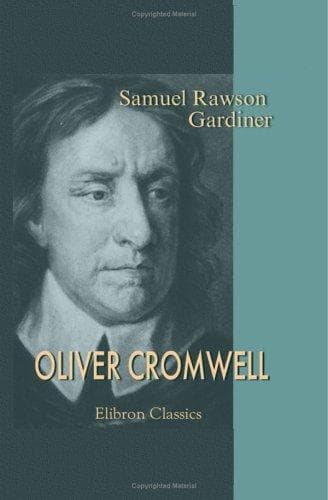
Cromwell, Oliver, 1599-1658; Great Britain -- History -- Commonwealth and Protectorate, 1649-1660
In one part of this declaration the Prelates had referred to the
English army as 'the common enemy'. "Who is it," asked Cromwell
wrathfully in reply; "that created this common enemy? I suppose you
mean Englishmen. The English! Remember, ye hypocrites, Ireland was once
united to England; Englishmen had good inheritances, which many of them
purchased with their money, they or their ancestors, from many of you
and your ancestors. They had good leases from Irishmen for long time to
come, great stocks thereupon, houses and plantations erected at their
cost and charge. They lived peaceably and honestly amongst you; you had
generally equal benefit of the protection of England with them, and
equal justice from the laws--saving what was necessary for the State,
upon reasons of State, to put upon some few people apt to rebel upon
the instigation of such as you. You broke the union; you unprovoked
put the English to the most unheard of and most barbarous massacre
without respect of sex or age that ever the sun beheld, and at a time
when Ireland was at perfect peace, and when, through the example of
English industry, through commerce and traffic, that which was in the
natives' hands was better to them than if all Ireland had been in their
possession and not an Englishman in it; and yet then, I say, was this
unheard of villainy perpetrated through your instigation, who boast
of peace-making and union against the common enemy. What think you, by
this time? Is not my assertion true? Is God--will God be with you? I am
confident He will not."
Such was the picture which framed itself in Cromwell's mind in the
contemplation of the troubles of 1641. It was no long by-past history
that he ignored--though the race against which his sword was drawn
was one singularly retentive of the tradition of days long-ago. It
was the occurrences which had passed in his own life-time which he
misinterpreted. The Irish peoples and tribes, it seemed, had had
no grievances of which to complain. They had never, forsooth, been
ousted from their land by the chicanery of English lawyers and English
statesmen. As for their religion, it was hardly to be regarded as a
religion at all. Favour enough was shown to them if they were allowed
to bury their creed in their hearts, though they were deprived of
those consolations on which those who held their faith were far more
dependent than the adherents of other Churches. That Cromwell believed
every word he said is not to be doubted. This representation of Irish
problems and of Irish facts was no creation of his own mind. It was the
common--probably the universal belief of Englishmen of his own day.
Public-domain text, read in full here on John Shaqi.
Reviews
Reviews
No reviews yet
Be the first to share your thoughts on this work.
Elsewhere in the archive
Join the Discussion
Join the discussion
Sign in to leave a comment or review.
Sign InorCreate an account