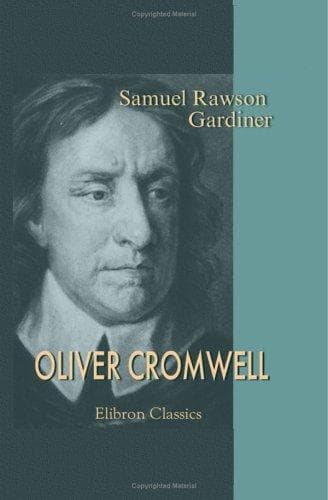
Cromwell, Oliver, 1599-1658; Great Britain -- History -- Commonwealth and Protectorate, 1649-1660
Nor was Cromwell any more original in propounding remedies. "We are
come," he continued, "to take an account of the innocent blood that
hath been shed, and to endeavour to bring them to account--by the
blessing of Almighty God, in whom alone is our hope and strength--who
by appearing in arms seek to justify the same. We come to break the
power of a company of lawless rebels who, having cast off the authority
of England, live as enemies to human society, whose principles--the
world hath experience of--are to destroy and subjugate all men not
complying with them. We come--by the assistance of God--to hold forth
and maintain the lustre and glory of English liberty, in a nation where
we have an undoubted right to do it, whereas the people of Ireland--if
they listen not to such seducers as you are--may equally participate
in all benefits to use liberty and fortune equally with Englishmen, if
they keep out of arms." Irishmen, in short, were to be what Englishmen
were, or to bear the penalty. It was the old remedy of the Elizabethans
and of Strafford. It is not so much the victorious sword that alienates
as the contempt of the conqueror for all that the conquered are in
themselves or for all that they hold dear. Yet it must be acknowledged
that in whatever proportion the guilt of past errors may be divisible
between English and Irish, no English government could endure longer to
face that danger of invasion from the side of Ireland, which had so
constantly threatened England since first her civil broils began. Under
these circumstances, an English conquest of Ireland was inevitable
as soon as it was undertaken by a disciplined army. Irishmen were
too deeply riven asunder by diversities of race and institutions to
unite in common resistance; and even if these difficulties could be
removed, there was no common leader who commanded universal devotion.
Conquered--Ireland was bound to be, but it was unfortunate for both
peoples that she was conquered at a time when the religious and
political ideas of Englishmen were, more than ever before or since, the
antithesis of those of Irishmen. It was when a Puritan Government took
in hand what they hoped to be the regeneration of Ireland that the real
difficulties of the task would be made manifest.
Public-domain text, read in full here on John Shaqi.
Reviews
Reviews
No reviews yet
Be the first to share your thoughts on this work.
Elsewhere in the archive
Join the Discussion
Join the discussion
Sign in to leave a comment or review.
Sign InorCreate an account