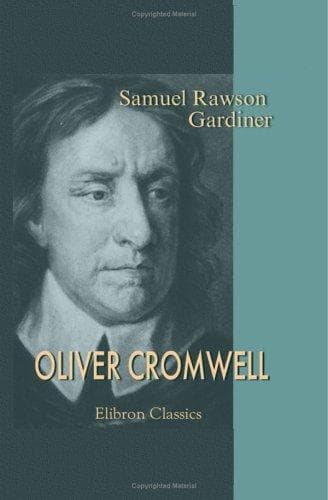
Cromwell, Oliver, 1599-1658; Great Britain -- History -- Commonwealth and Protectorate, 1649-1660
Some time before the last vote was taken, the principal officers, under
Lambert's leadership, had had under consideration a plan of a written
constitution in which the executive power was to be strengthened and
conferred upon Cromwell with the title of King, whilst the legislative
power was to be conferred on an elected assembly, thus embodying the
ideas which had been enunciated by Cromwell in his conference with the
lawyers and politicians at the end of 1651. When this constitution was
complete it was shown to Cromwell, who objected to the royal title,
and who seems also to have been unwilling to have anything to do with
another violent dissolution. On December 10, when the vote on Church
organisation was taken, Lambert and his allies found their opportunity.
It is probable that they promised Cromwell that the House should be
dissolved by its own action, and that, on receiving this assurance,
he preferred not to be informed of the course by which this desirable
end was to be attained. The course indeed was simple enough. The
conservative reformers, if they chose to attend in anything like their
full strength, were in a majority, and on the 12th they got up early
and flocked to the House, where, before their bewildered opponents
could rally in force, they immediately voted that Parliament should
resign its powers into the hands of the Lord General. Then, starting
for Whitehall in procession with the Speaker at their head, they
announced to Cromwell the decision they had taken. Their advanced
colleagues kept their seats, but upon attempting to remonstrate were
expelled by a body of soldiers. As in the absence of the Speaker they
could not technically be considered to be a House, those who interfered
were able to aver, without literary untruthfulness, that there had been
no forcible dissolution of Parliament.
Public-domain text, read in full here on John Shaqi.
Reviews
Reviews
No reviews yet
Be the first to share your thoughts on this work.
Elsewhere in the archive
Join the Discussion
Join the discussion
Sign in to leave a comment or review.
Sign InorCreate an account