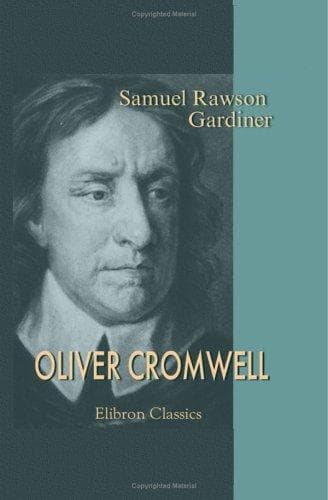
Cromwell, Oliver, 1599-1658; Great Britain -- History -- Commonwealth and Protectorate, 1649-1660
with its supplies, as in spite of the enormous burdens weighing upon
it, the Government had diminished, by no less than £30,000 a month,
the assessment tax by which army and navy were in part supported.
It has often been doubted whether Oliver had in him the making of a
Parliamentary tactician. Those who reply in the affirmative may point
to this speech in defence of their opinion, especially if we accept the
evidence of the Dutch ambassadors that Oliver--in words subsequently
omitted from the published speech--concluded by a direct invitation to
the House to take into consideration the Instrument, no doubt expecting
its easy acceptance by men who were as desirous of order as himself.
Confirmatory of this conclusion is the fact that when the Parliamentary
debates opened and the question was asked whether the House was
prepared to leave the government under the control of a single man,
it was a member of the Council who demanded that all other business
should be laid aside till the Instrument had been submitted to the
approval of the House.
When this demand had been complied with, it became evident that the
majority of the members were in favour of imposing further restrictions
on the Protector which would make him no more than a tool in the hands
of Parliament. Such a position Oliver absolutely declined to accept,
and on its being known that Harrison had been seeking the advantage
of his own party by stirring up confusion at Westminster, and had
boasted that he would have 20,000 men at his back, he struck firmly and
sharply. Harrison was sent for under guard, and Parliament was ordered
to attend the Protector in the Painted Chamber.
Public-domain text, read in full here on John Shaqi.
Reviews
Reviews
No reviews yet
Be the first to share your thoughts on this work.
Elsewhere in the archive
Join the Discussion
Join the discussion
Sign in to leave a comment or review.
Sign InorCreate an account