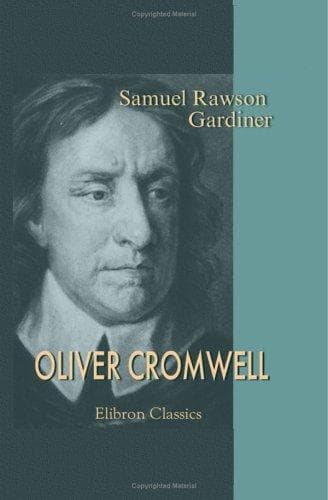
Cromwell, Oliver, 1599-1658; Great Britain -- History -- Commonwealth and Protectorate, 1649-1660
That a door was left open was entirely the fault of the House of Lords
in rejecting this ordinance on January 13, 1645. By this time both
parties in the Commons were of one mind in pushing on an ordinance for
a new model of the army, from which it would be easy to exclude peers,
whether the Self-Denying Ordinance were passed or no. On January 21
the Commons named Fairfax as General and Skippon as Major-General of
the new army. The post of Lieutenant-General, which carried with it
the command of the Horse, was significantly left open. No legislation
now barred the way to Cromwell's appointment, but the House thought
it desirable to make their action in the matter dependent on the line
finally taken by the Lords. On February 15 the Lords passed the New
Model Ordinance. A few days later, the negotiation with the King which
is known as the Treaty of Uxbridge, came to an end, and Parliament
was now committed to the design of meeting Charles in the field with
an army commanded by professional soldiers, and withdrawn from local
and political influences. In such an army nothing more would be heard
of the dangers of success which had loomed so large before the eye of
Manchester. Apparently to save the Parliamentary officers from the
indignity of tendering the resignation of their commissions, a new
Self-Denying Ordinance was passed on April 3, by which members of
either House were discharged from their military or civil posts within
forty days afterwards. There was nothing to prevent the reappointment
of Cromwell on the one hand, or of Essex or Manchester on the other, if
the two Houses should combine in doing so.
CHAPTER II.
THE NEW MODEL ARMY AND THE PRESBYTERIANS.
Public-domain text, read in full here on John Shaqi.
Reviews
Reviews
No reviews yet
Be the first to share your thoughts on this work.
Join the Discussion
Join the discussion
Sign in to leave a comment or review.
Sign InorCreate an account