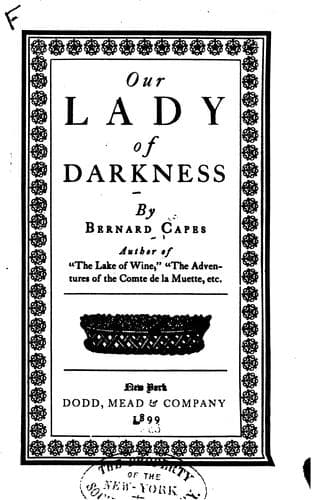
British -- France -- Fiction; France -- History -- Revolution, 1789-1799 -- Fiction; Historical fiction
He faced about. The girl was arrayed for a journey, it seemed. A cloak
was clasped about her neck; from her brown hair hung over her
shoulders, like the targe of a Highlander, a round straw hat with an
ungainly width of brim; stout shoes and a foot of homespun stocking
showed under her short skirt. Nevertheless the glowing ardour of her
face and form triumphed over all disabilities.
“They are brutes and cowards,” said Ned gravely. “I don’t think they
will trouble you again. Here is your property.”
She did not take it at once. He shrugged his shoulders and laid it on
the ground at her feet.
“Monsieur!” pleaded the girl. Something seemed to choke her from
proceeding.
At length: “I have been waiting in the woods since dawn,” said she, in
a sudden soft outburst, “hoping for you to pass.”
“For me?”
“I came out into the track now and again, dreading that you had gone
by while I watched elsewhere, and once these discovered me, and--and--
Ah, monsieur! You see now what I have to endure.”
“Truly I see--more than I would wish to. You are leaving Méricourt,
then?”
She looked at him, defiant and imploring at once.
“You would not condemn me to it? You would not even say it is possible
for me to stay here?”
The young man did, for him, an unaccustomed thing. He swore--under his
breath. It might have been the devil of a particular little crisis
essaying to speak for him; it might have been the cry of a momentary
conflict between sense and spirit.
The appeal addressed to either was, indeed, as mournful and seductive
as the minor play of a pathetic voice could make it. If he gazed
irritably at the woman facing him, still he gazed at all because he
was stirred to some emotion. The sadness of wet, unhappy eyes, of
parted lips, of hands clasped upon the dumb utterance of an
impassioned bosom--all, in their single offer and plea to him, were,
no doubt, such a temptation to an abuse of that consistency with his
theories that his temperament so encouraged him to cherish, as he had
never before felt. But he was still so little sensitive to one form of
witchery that it needed only a tickle of humour to restore his moral
balance.
He laughed on a certain note of aggravation.
“Méricourt is all moonstruck, I believe,” said he. “This is too
absurdly flattering to my vanity. First--but there! Mademoiselle
Lambertine, I will not pretend to misread you. Yet you do not love me,
I think?”
She shook her head, drooping her eyes to him. Patently she had elected
to stake her chances on white candour as the better policy with this
Joseph.
“Well,” said he, “it is as it should be. And you are equally convinced
I am indifferent to you?”
But at that she came forward--so close to him, indeed, as to make her
every word an invitation.
“Now,” thought Ned, inured to such appeals, “she will throw her arms
round my neck in a minute.”
But he did Théroigne indifferent justice.
Public-domain text, read in full here on John Shaqi.
Reviews
Reviews
No reviews yet
Be the first to share your thoughts on this work.
Elsewhere in the archive
Join the Discussion
Join the discussion
Sign in to leave a comment or review.
Sign InorCreate an account