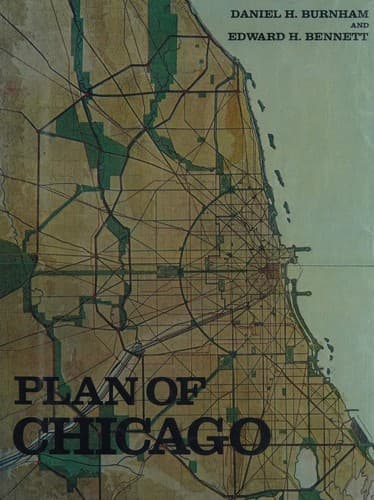
City planning -- Illinois -- Chicago -- History -- 20th century
Sard, William H.
Sargent, George M.
Scott, John W.
Scully, Arthur B.
Sears, Richard W.
Seipp, Philip W.
Selz, J. Harry
Shaffer, John C.
Shaffner, Joseph
Shedd, Edward A.
Shedd, John G.
Shirk, Elbert W.
Simpson, James
Skinner, Edward M.
Smith, Byron L.
Smith, Mrs. George T.
Smith, Orson
Smith, Walter B.
Soper, James P.
Spoor, John A.
Sprague, Albert A.
Sprague, Otho S. A.
Starring, Mason B.
Stevens, Charles A.
Stillwell, Homer A.
Strobel, Charles L.
Stumer, Louis M.
Sullivan, Roger C.
Sunny, Bernard E.
Swift, Charles H.
Swift, Edward F.
Swift, George B.
Swift, Louis F.
Theurer, Joseph
Thoman, Leroy D.
Thomas, Benjamin
Thompson, John R.
Thompson, William M.
Thorne, Charles H.
Thorne, George R.
Tilden, Edward
Tilt, Joseph E.
Turner, Edward A.
Uhrlaub, Adolph
Uihlein, Edgar J.
Upham, Frederic W.
Van Valkenburg, William
Viles, James, Jr.
Wacker, Charles H.
Walker, Henry H.
Wallace, John F.
Ward, A. Montgomery
Warner, Ezra J.
Warren, William S.
Watson, J. V.
Watson, William J.
Wells, Addison E.
Wells, M. D. Company
Wheeler, Arthur D.
Wheeler, Charles P.
Wheeler, Harry A.
Wilder, John E.
Wilder, T. Edward
Willard, Daniel
Willing, Mark S.
Willits, Ward W.
Wilmarth, Mrs. Mary J.
Wilson, John P.
Wilson, Walter H.
Winchell, Benjamin L.
Winston, Frederick S.
Winston, Payne, Strawn & Shaw
Wolff, L. Manufacturing Company
Wrenn, John H.
Young, Charles O.
PLAN OF CHICAGO
[Illustration: II. WOOD-CUT OF CHICAGO IN 1834.]
PLAN OF CHICAGO
CHAPTER I
ORIGIN OF THE PLAN OF CHICAGO: THE WORLD’S COLUMBIAN EXPOSITION OF
1893 AND ITS RESULTS: THE SPIRIT OF CHICAGO
The tendency of mankind to congregate in cities is a marked
characteristic of modern times. This movement is confined to no one
country, but is world-wide. Each year Rome, and the cities of the
Orient, as well as Berlin, New York, and Chicago, are adding to their
population at an unprecedented rate. Coincident with this urban
development there has been a widespread increase in wealth, and also
an enlarged participation on the part of the people in the work of
government. As a natural result of these causes has come the desire to
better the conditions of living. Men are becoming convinced that the
formless growth of the city is neither economical nor satisfactory;
and that overcrowding and congestion of traffic paralyze the vital
functions of the city. The complicated problems which the great city
develops are now seen not to be beyond the control of aroused public
sentiment; and practical men of affairs are turning their attention
to working out the means whereby the city may be made an efficient
instrument for providing all its people with the best possible
conditions of living.
Public-domain text, read in full here on John Shaqi.
Reviews
Reviews
No reviews yet
Be the first to share your thoughts on this work.
Join the Discussion
Join the discussion
Sign in to leave a comment or review.
Sign InorCreate an account