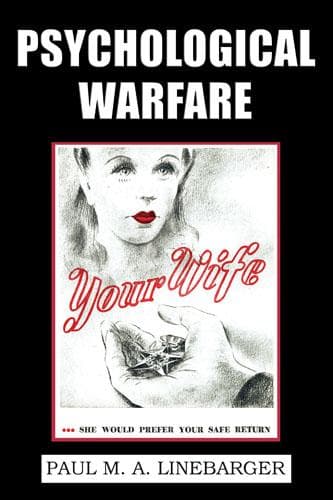
Psychological WarfareLinebarger, Paul Myron Anthony
History
Psychological Warfare
Linebarger, Paul Myron Anthony
Psychological warfare
Such papers might be of use, gathering together in a single document all
pertinent facts. In most tactical situations, the situation would have
obsolesced before the author of the estimate had finished his document.
In strategic situations, it could not normally be made specific enough
to be practical--at the operational level--without becoming hopelessly
unwieldy. Each skill represented in the estimate does prepare other
reports, and the practice of most modern armies indicates that it is
better to conduct routine propaganda planning, supervision, and
appreciation through liaison than to prepare elaborate documents
gathering together the multifarious factors which actually affect
Psychological Warfare.
In most American Psychological Warfare facilities--especially in the
theaters--the estimate of the situation consisted of a brief résumé of
home propaganda by the enemy (taken directly from propaganda analysis),
comment on the audience by appropriate representatives from the State
Department or other Federal agencies, and discussion of the audience by
some kind of Psychological Warfare operations-planning and intelligence
board. Some of the most valuable suggestions came from persons not
concerned with propaganda--such as target-intelligence people who could
anticipate enemy civilian or military shortages, or economic-warfare
people who suggested vexations which the enemy listener was probably
experiencing.
=The Question of Choice.= An estimate of a combat situation is something
like a diagnosis and prognosis in medicine. The estimate sets forth the
situation, presenting the difficulties to be faced and the general range
of pertinent fact, all in orderly array, like a systematic diagnosis.
The plans are then drawn up in the light of the estimate; they are
limited by the harsh, immediate facts of the situation; they resemble a
doctor's prognosis, which may have room for several choices, but which
does not open the way to speculative, creative action. Psychological
Warfare situations are usually fluid, save at times of specific tactical
emergency (the appeal to an enemy unit, when it is surrounded, to
surrender; pre-invasion propaganda for specific points).
Public-domain text, read in full here on John Shaqi.
Reviews
Reviews
No reviews yet
Be the first to share your thoughts on this work.
Elsewhere in the archive
Join the Discussion
Join the discussion
Sign in to leave a comment or review.
Sign InorCreate an account