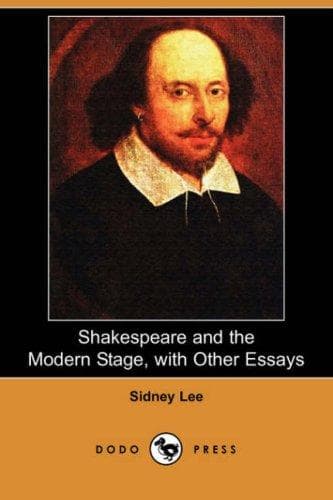
Shakespeare and the Modern Stage; with Other EssaysLee, Sidney, Sir
History
Shakespeare and the Modern Stage; with Other Essays
Lee, Sidney, Sir
Shakespeare, William, 1564-1616; Shakespeare, William, 1564-1616 -- Stage history
In such a shape the patriotic instinct may tend in natures weaker than
Bolingbroke's to mawkishness or sentimentality. But it is incapable of
active offence. It makes for the peace and goodwill not merely of
nations among themselves, but of the constituent elements of each
nation within itself. It unifies human aspiration and breeds social
harmony.
Very different is the phase of the patriotic instinct which is
portrayed in the more joyous, more frank, and more impulsive
characters of Faulconbridge the Bastard in the play of _King John_,
and of the King in _Henry V._ It is in them an inexhaustible stimulus
to action. It is never quiescent, but its operations are regulated by
morality and reason, and it finally induces a serene exaltation of
temper. It was a pardonable foible of Elizabethan writers distinctly
to identify with the English character this healthily energetic sort
of patriotism--the sort of patriotism to which an atmosphere of
knavery or folly proves fatal.
Faulconbridge is an admirable embodiment of the patriotic sentiment in
its most attractive guise. He is a manly soldier, blunt in speech,
contemning subterfuge, chafing against the dictates of political
expediency, and believing that quarrels between nations which cannot
be accommodated without loss of self-respect on the one side or the
other, had better be fought out in resolute and honourable war. He is
the sworn foe of the bully or the braggart. Cruelty is hateful to him.
The patriotic instinct nurtures in him a warm and generous humanity.
His faith in the future of his nation depends on the confident hope
that she will be true to herself, to her traditions, to her
responsibilities, to the great virtues; that she will be at once
courageous and magnanimous:--
Come the three corners of the world in arms,
And we shall shock them. Nought shall make us rue,
If England to itself do rest but true.
Faulconbridge's patriotism is a vivacious spur to good endeavour in
every relation of life.
Henry V. is drawn by Shakespeare at fuller length than Faulconbridge.
His character is cast in a larger mould. But his patriotism is of the
same spirited, wholesome type. Though Henry is a born soldier, he
discourages insolent aggression or reckless displays of prowess in
fight. With greater emphasis than his archbishops and bishops he
insists that his country's sword should not be unsheathed except at
the bidding of right and conscience. At the same time, he is terrible
in resolution when the time comes for striking blows. War, when it is
once invoked, must be pursued with all possible force and fury:--
In peace there's nothing so becomes a man
As modest stillness and humility.
But when the blast of war blows in his ears,
Then imitate the action of the tiger.[35]
[Footnote 35: On this point the Shakespearean oracle always speaks
with a decisive and practical note:--
Public-domain text, read in full here on John Shaqi.
Reviews
Reviews
No reviews yet
Be the first to share your thoughts on this work.
Elsewhere in the archive
Join the Discussion
Join the discussion
Sign in to leave a comment or review.
Sign InorCreate an account