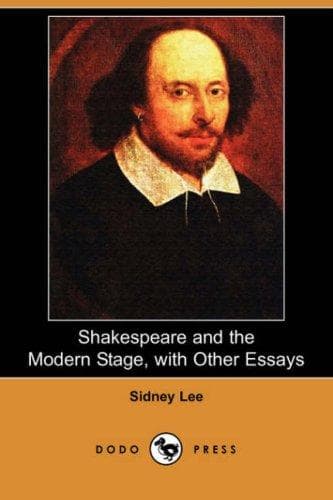
Shakespeare and the Modern Stage; with Other EssaysLee, Sidney, Sir
History
Shakespeare and the Modern Stage; with Other Essays
Lee, Sidney, Sir
Shakespeare, William, 1564-1616; Shakespeare, William, 1564-1616 -- Stage history
It does not, however, follow that the patriotic instinct of the
Shakespearean gospel encourages blind adoration of state or country.
Intelligent citizens of the Shakespearean world are never prohibited
from honestly criticising the acts or aspirations of their fellows,
and from seeking to change them when they honestly think they can be
changed for the better. It is not the business of a discerning patriot
to sing paeans in his nation's honour. His final aim is to help his
country to realise the highest ideals of social and political conduct
which are known to him, and to ensure for her the best possible
"reputation through the world." Criticism conceived in a patriotic
spirit should be constant and unflagging. The true patriot speaks out
as boldly when he thinks the nation errs as when, in his opinion, she
adds new laurels to her crown. The Shakespearean patriot applies a
rigorous judgment to all conditions of his environment--both social
and political.
Throughout the English history plays Shakespeare bears convincing
testimony to the right, and even to the duty, of the patriot to
exercise in all seriousness his best powers of criticism on the
political conduct of his fellow-citizens and of those who rule over
him.
Shakespeare's studies of English history are animated by a patriotism
which boldly seeks and faces the truth. His dramatic presentations of
English history have been often described as fragments of a national
epic, as detached books of an English _Iliad_. But they embody no epic
or heroic glorification of the nation. Taking the great series which
begins chronologically with _King John_ and ends with _Richard III._
(_Henry VIII._ stands apart), we find that Shakespeare makes the
central features of the national history the persons of the kings.
Only in the case of _Henry V._ does he clothe an English king with any
genuine heroism. Shakespeare's kings are as a rule but men as we are.
The violet smells to them as it does to us; all their senses have but
human conditions; and though their affections be higher mounted than
ours, yet when they stoop they stoop with like wing. Excepting _Henry
V._, the history plays are tragedies. They "tell sad stories of the
death of kings." But they do not merely illustrate the crushing
burdens of kingship or point the moral of the hollowness of kingly
pageantry; they explain why kingly glory is in its essence brittle
rather than brilliant. And since Shakespeare's rulers reflect rather
than inspire the character of the nation, we are brought to a study of
the causes of the brittleness of national glory.
Public-domain text, read in full here on John Shaqi.
Reviews
Reviews
No reviews yet
Be the first to share your thoughts on this work.
Elsewhere in the archive
Join the Discussion
Join the discussion
Sign in to leave a comment or review.
Sign InorCreate an account