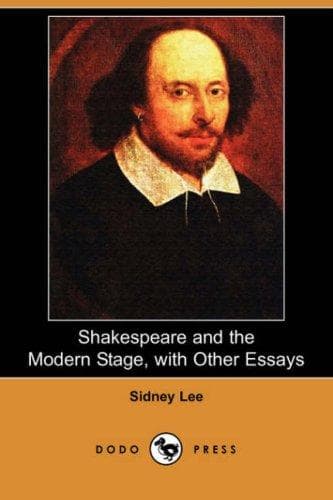
Shakespeare and the Modern Stage; with Other EssaysLee, Sidney, Sir
History
Shakespeare and the Modern Stage; with Other Essays
Lee, Sidney, Sir
Shakespeare, William, 1564-1616; Shakespeare, William, 1564-1616 -- Stage history
Members of Mr Benson's company have made excellent use of their
opportunities. An actor, like the late Frank Rodney, who could on one
night competently portray Bolingbroke in _Richard II._ and on the
following night the clown Feste in _Twelfth Night_ with equal effect,
clearly realised something of the virtue of Shakespearean versatility.
Mr Benson's leading comedian, Mr Weir, whose power of presenting
Shakespeare's humorists shows, besides native gifts, the advantages
that come of experienced study of the dramatist, not only interprets,
in the genuine spirit, great roles like Falstaff and Touchstone, but
gives the truest possible significance to the comparatively
unimportant roles of the First Gardener in _Richard II._ and Grumio in
_The Taming of the Shrew_.
Nothing could be more grateful to a student of Shakespeare than the
manner in which the small part of John of Gaunt was played by Mr
Warburton in Mr Benson's production of _Richard II._ The part includes
the glorious panegyric of England which comes from the lips of the
dying man, and must challenge the best efforts of every actor of
ambition and self-respect. But in the mouth of an actor who lacks
knowledge of the true temper of Shakespearean drama, this speech is
certain to be mistaken for a detached declamation of patriotism--an
error which ruins its dramatic significance. As Mr Warburton delivered
it, one listened to the despairing cry of a feeble old man roused for
a moment from the lethargy of sickness by despair at the thought that
the great country he loved was in peril of decay through the selfish
and frivolous temper of its ruler. Instead of a Chauvinist manifesto
defiantly declaimed under the limelight, there was offered us the
quiet pathos of a dying patriot's lament over his beloved country's
misfortunes--an oracular warning from a death-stricken tongue,
foreshadowing with rare solemnity and dramatic irony the violent doom
of the reckless worker of the mischief. Any other conception of the
passage, any conscious endeavour to win a round of applause by
elocutionary display, would disable the actor from doing justice to
the great and sadly stirring utterance. The right note could only be
sounded by one who was acclimatised to Shakespearean drama, and had
recognised the wealth of significance to be discovered and to be
disclosed (with due artistic restraint) in Shakespeare's minor
characters.
III
Public-domain text, read in full here on John Shaqi.
Reviews
Reviews
No reviews yet
Be the first to share your thoughts on this work.
Elsewhere in the archive
Join the Discussion
Join the discussion
Sign in to leave a comment or review.
Sign InorCreate an account