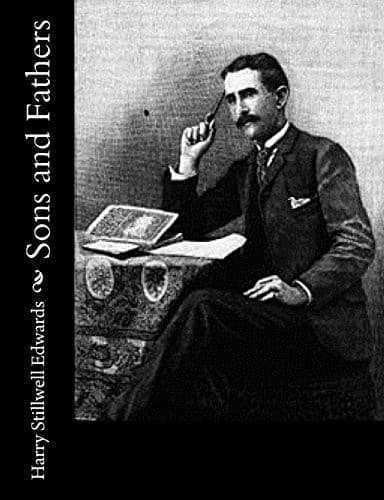
Mystery fiction; Race relations -- Fiction; Southern States -- Fiction
Recognizing in the delicate and excitable organism before him the
possibilities of emotion and imagination, Edward prepared to play.
Without hesitation he drew the bow across the strings and began a solemn
prelude to a choral. And as he played he noticed the heaving form below
him grow still. Then Gerald lifted his face and gazed past the player,
with an intensity of vision that deepened until he seemed in the grasp
of some stupendous power or emotion. Edward played the recital; the
story of Calvary, the crucifixion and the mourning women, and the march
of soldiers. Finally there came the tumult of bursting storm and riven
tombs. The climax of action occurred there; it was to die away into a
movement fitted to the resurrection and the peaceful holiness of
Christ's meeting with Mary. But before this latter movement began Gerald
leaped upon the player with the quickness and fury of a tiger and by the
suddenness of the onset nearly bore him to the floor. This mad assault
was accompanied by a shriek of mingled fear and horror.
"Back--would you murder her?" By a great effort Edward freed himself and
the endangered violin, and forced the assailant to the divan. The
octoroon was kneeling by his side weeping.
"Leave him to me," she said. Stunned and inexpressibly shocked Edward
withdrew. The grasp on his throat had been like steel! The marks
remained.
"I have," he wrote that night in a letter to Virdow, "heard you more
than once express the hope that you would some day be able to visit
America. Come now, at once! I have here entered upon a new life and need
your help. Further, I believe I can help you."
After describing the circumstances already related, the letter
continued: "The susceptibility of this mind to music I regard as one of
the most startling experiences I have ever known, and it will afford you
an opportunity for testing your theories under circumstances you can
never hope for again. Let me say to you here that I am now convinced by
some intuitive knowledge that the assault upon me was based upon a
memory stirred by the sound of the violin; that vibration created anew
in the delicate mind some picture that had been forgotten and brought
back again painful emotions that were ungovernable. I cannot think but
that it is to have a bearing upon the concealed facts of my life; the
discovery of which is my greatest object now, as in the past. And I
cannot but believe that your advice and discretion will guide me in the
treatment and care of this poor being, perhaps to the extent of
affecting a radical change, and leave him a happier and a more rational
being.
Public-domain text, read in full here on John Shaqi.
Reviews
Reviews
No reviews yet
Be the first to share your thoughts on this work.
Join the Discussion
Join the discussion
Sign in to leave a comment or review.
Sign InorCreate an account