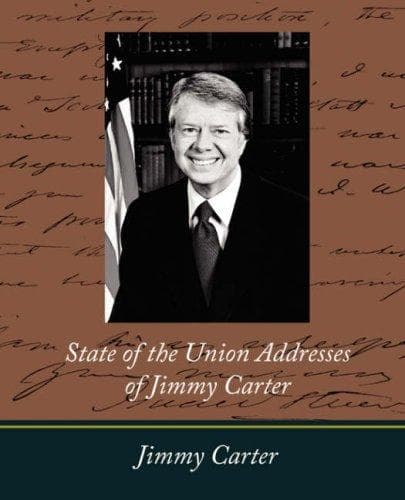
Presidents -- United States -- Messages; United States -- Politics and government -- Sources
An historic national accord with organized labor made it possible for the
views of working men and women to be heard as the nation's economic and
domestic policies were formulated; the Mine Safety and Health Act brought
about improved working conditions for the nation's 500,000 miners.
substantial reforms of Occupational Safety and Health Administration were
accomplished to help reduce unnecessary burdens on business and to focus on
major health and safety problems; the minimum wage was increased over a
four year period from $2.30 to $3.35 an hour; the Black Lung Benefit Reform
Act was signed into law; attempts to weaken Davis-Bacon Act were defeated.
While substantial gains have been made in the last four years, continued
efforts are required to ensure that this progress is continued:
Government must continue to make labor a full partner in the policy
decisions that affect the interests of working men and women; a broad,
bipartisan effort to combat youth unemployment must be sustained
compassionate reform of the nation's welfare system should be continued
with employment opportunities provided for those able to work; workers in
declining industries should be provided new skills and help in finding
employment.
TRADE
Over the past year, the U.S. trade picture improved as a result of solid
export gains in both manufactured and agricultural products. Agricultural
exports reached a new record of over $40 billion, while manufactured
exports have grown by 24 percent to a record $144 billion. In these areas
the United States recorded significant surpluses of $24 billion and $19
billion respectively. While our oil imports remained a major drain on our
foreign exchange earnings, that drain was somewhat moderated by a 19
percent decline in the volume of oil imports.
U.S. trade negotiators made significant progress over the past year in
assuring effective implementation of the agreements negotiated during the
Tokyo Round of Multilateral Trade Negotiations. Agreements reached with the
Japanese government, for example, will assure that the United States will
be able to expand its exports to the Japanese market in such key areas as
telecommunications equipment, tobacco, and lumber. Efforts by U.S. trade
negotiators also helped to persuade a number of key developing countries to
accept many of the non-tariff codes negotiated during the Multilateral
Trade Negotiations. This will assure that these countries will increasingly
assume obligations under the international trading system.
A difficult world economic environment posed a challenge for the management
of trade relations. U.S. trade negotiators were called upon to manage
serious sectoral problems in such areas as steel, and helped to assure that
U.S. chemical exports will have continued access to the European market.
Public-domain text, read in full here on John Shaqi.
Reviews
Reviews
No reviews yet
Be the first to share your thoughts on this work.
Join the Discussion
Join the discussion
Sign in to leave a comment or review.
Sign InorCreate an account