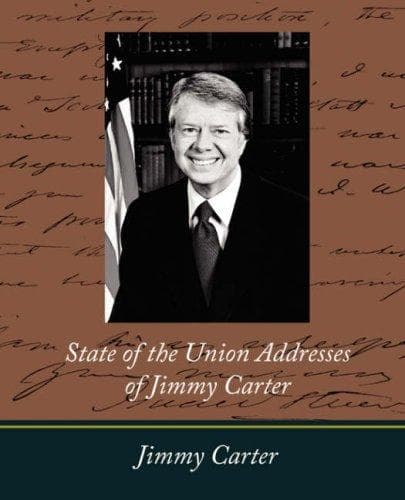
Presidents -- United States -- Messages; United States -- Politics and government -- Sources
During this decade, highway investments will be needed to increase
productivity, particularly in the elimination of bottlenecks, provide more
efficient connections to ports and seek low-cost solutions to traffic
demand.
My Administration has therefore recommended redefining completion of the
Interstate system, consolidating over 27 categorical assistance programs
into nine, and initiating a major repair and rehabilitation program for
segments of the Interstate system. This effort should help maintain the
condition and performance of the Nation's highways, particularly the
Interstate and primary system; provide a realistic means to complete the
Interstate system by 1990; ensure better program delivery through
consolidation, and assist urban revitalization. In addition, the Congress
must address the urgent funding problems of the highway trust fund, and the
need to generate greater revenues.
MASS TRANSIT
In the past decade the nation's public transit systems' ridership increased
at an annual average of 1.1% each year in the 1970's (6.9% in 1979).
Continued increases in the cost of fuel are expected to make transit a
growing part of the nation's transportation system.
As a result, my Administration projected a ten year, $43 billion program to
increase mass transit capacity by 50 percent, and promote more energy
efficient vehicle uses in the next decade. The first part of this proposal
was the five year, $24.7 billion Urban Mass Transportation Administration
reauthorization legislation I sent to the Congress in March, 1980. I urge
the 97th Congress to quickly enact this or similar legislation in 1981.
My Administration was also the first to have proposed and signed into law a
non-urban formula grant program to assist rural areas and small communities
with public transportation programs to end their dependence on the
automobile, promote energy conservation and efficiency, and provide
transportation services to impoverished rural communities.
A principal need of the 1980's will be maintaining mobility for all
segments of the population in the face of severely increasing
transportation costs and uncertainty of fuel supplies. We must improve the
flexibility of our transportation system and offer greater choice and
diversity in transportation services. While the private automobile will
continue to be the principal means of transportation for many Americans,
public transportation can become an increasingly attractive alternative.
We, therefore, want to explore a variety of paratransit modes, various
types of buses, modern rapid transit, regional rail systems and light rail
systems.
Highway planning and transit planning must be integrated and related to
State, regional, district and neighborhood planning efforts now in place or
emerging. Low density development and land use threaten the fiscal capacity
of many communities to support needed services and infrastructure.
ELDERLY AND HANDICAPPED TRANSPORTATION
Public-domain text, read in full here on John Shaqi.
Reviews
Reviews
No reviews yet
Be the first to share your thoughts on this work.
Join the Discussion
Join the discussion
Sign in to leave a comment or review.
Sign InorCreate an account