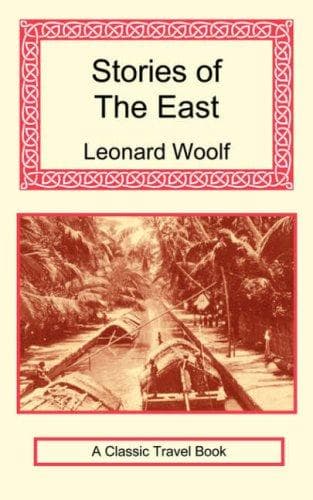
Asia -- Social life and customs -- Fiction; Short stories, English
The other Brahmans were enraged with Chellaya and Chittampalam and,
after abusing them and calling them pariahs, they cast them out for
ever from the Brahman caste and refused to eat or drink with them or
to talk to them; and they took an oath that their children's children
should never marry with the grandsons and granddaughters of Chellaya
and Chittampalam. But if people of other castes talked to them of the
matter, they denied all knowledge of it and swore that no Brahman had
ever caught fish or carried earth on his head. Chittampalam was not
much concerned at the anger of the Brahmans, for he had saved the hire
of a well-digger and he had never taken pleasure in the conversation
of other Brahmans and, besides, he shortly after died.
Chellaya, being a small fat man and of a more pleasant and therefore
more sensitive nature, felt his sin and the disapproval of his friends
deeply. For some days he gave up his fishing, but they were weary days
to him and he gained nothing, for the Brahmans still refused to talk
to him. All day long in the temple and in his compound he sat and
thought of his evenings when he waded in the blue waters of the lagoon,
and of the little islands resting like plumes of smoke or feathers
upon the sky, and of the line of pink flamingoes like thin posts at
regular intervals set to mark a channel, and of the silver gleam of
darting fish. In the evening, when he knew the fishermen were taking
out their nets, his longing became intolerable: he dared not go down
to the lagoon for he knew that his desire would master him. So for
five nights he sat in his compound, and, as the saying is, his fat went
off in desire. On the sixth night he could stand it no longer; once
more he polluted his caste by catching fish.
After this Chellaya no longer tried to struggle against himself but
continued to fish until at the age of fifty he died. Then, as time
went on, the people who had known Chellaya and Chittampalam died too,
and the story of how each had polluted his caste began to be forgotten.
Only it was known in Yalpanam that no Brahman could marry into those
two families, because there was something wrong with their caste. Some
said that Chellaya had carried earth on his head and that Chittampalam
had caught fish; in any case the descendants of Chellaya and
Chittampalam had to go to distant villages to find Brahman wives and
husbands for their sons and daughters.
Chellaya's hut and Chittampalam's hut still stand where they stood
under the cocoanut trees by the side of the lagoon, and in one lives
Chellaya, the great-great-great-grandson of Chellaya who caught
fish, and in the other Chittampalam, the great-great-great-grandson
of Chittampalam who carried earth on his head. Chittampalam has a
very beautiful daughter and Chellaya has one son unmarried. Now this
son saw Chittampalam's daughter by accident through the fence of the
compound, and he went to his father and said:
Public-domain text, read in full here on John Shaqi.
Reviews
Reviews
No reviews yet
Be the first to share your thoughts on this work.
Join the Discussion
Join the discussion
Sign in to leave a comment or review.
Sign InorCreate an account