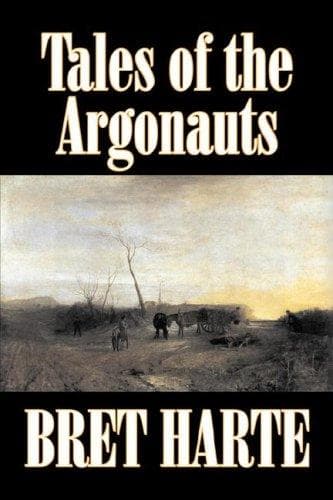
American fiction -- 19th century; Short stories; Western stories
If my liking for my little Pagan page had not been sufficient, my duty
to Hop Sing was enough, to cause me to take Wan Lee with me when I
returned to San Francisco after my two years' experience with “The
Northern Star.” I do not think he contemplated the change with pleasure.
I attributed his feelings to a nervous dread of crowded public streets
(when he had to go across town for me on an errand, he always made a
circuit of the outskirts), to his dislike for the discipline of the
Chinese and English school to which I proposed to send him, to his
fondness for the free, vagrant life of the mines, to sheer wilfulness.
That it might have been a superstitious premonition did not occur to me
until long after.
Nevertheless it really seemed as if the opportunity I had long looked
for and confidently expected had come,--the opportunity of placing Wan
Lee under gently restraining influences, of subjecting him to a life and
experience that would draw out of him what good my superficial care and
ill-regulated kindness could not reach. Wan Lee was placed at the school
of a Chinese missionary,--an intelligent and kind-hearted clergyman,
who had shown great interest in the boy, and who, better than all, had
a wonderful faith in him. A home was found for him in the family of a
widow, who had a bright and interesting daughter about two years younger
than Wan Lee. It was this bright, cheery, innocent, and artless child
that touched and reached a depth in the boy's nature that hitherto had
been unsuspected; that awakened a moral susceptibility which had lain
for years insensible alike to the teachings of society, or the ethics of
the theologian.
Public-domain text, read in full here on John Shaqi.
Reviews
Reviews
No reviews yet
Be the first to share your thoughts on this work.
Join the Discussion
Join the discussion
Sign in to leave a comment or review.
Sign InorCreate an account