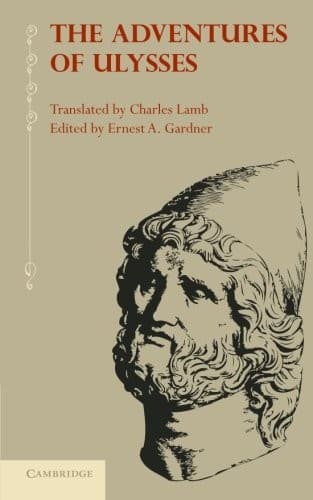
Homer. Odyssey -- Adaptations; Odysseus, King of Ithaca (Mythological character) -- Juvenile literature
"Let not my ignorance offend thee, great Minerva," he cried, "or move thy
displeasure, that in that shape I knew thee not; since the skill of
discerning of deities is not attainable by wit or study, but hard to be
hit by the wisest of mortals. To know thee truly through all thy changes
is only given to those whom thou art pleased to grace. To all men thou
takest all likenesses. All men in their wits think that they know thee,
and that they have thee. Thou art wisdom itself. But a semblance of thee,
which is false wisdom, often is taken for thee, so thy counterfeit view
appears to many, but thy true presence to few: those are they which,
loving thee above all, are inspired with light from thee to know thee. But
this I surely know, that all the time the sons of Greece waged war against
Troy, I was sundry times graced with thy appearance; but since, I have
never been able to set eyes upon thee till now; but have wandered at my
own discretion, to myself a blind guide, erring up and down the world,
wanting thee."
Then Minerva cleared his eyes, and he knew the ground on which he stood to
be Ithaca, and that cave to be the same which the people of Ithaca had in
former times made sacred to the sea-nymphs, and where he himself had done
sacrifices to them a thousand times; and full in his view stood Mount
Nerytus with all his woods: so that now he knew for a certainty that he
was arrived in his own country, and with the delight which he felt he
could not forbear stooping down and kissing the soil.
CHAPTER EIGHT
The Change from a King to a Beggar.--Eumaeus and the Herdsmen.--
Telemachus.
Public-domain text, read in full here on John Shaqi.
Reviews
Reviews
No reviews yet
Be the first to share your thoughts on this work.
Join the Discussion
Join the discussion
Sign in to leave a comment or review.
Sign InorCreate an account