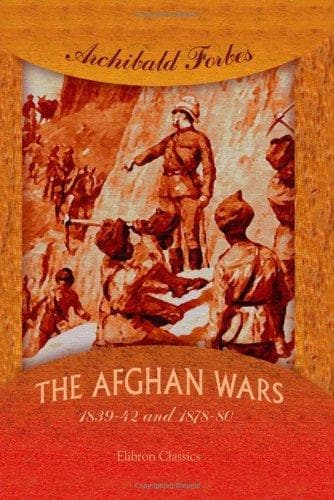
The Afghan Wars 1839-42 and 1878-80Forbes, Archibald
History
The Afghan Wars 1839-42 and 1878-80
Forbes, Archibald
Afghan Wars
Yakoub Khan had gained little personal popularity during his brief and
troubled reign, but he was an Afghan and a Mahomedan; and his
deportation to India, followed shortly afterwards by that of his three
Ministers, intensified the rancour of his countrymen and co-religionists
against the handful of presumptuous foreigners who arrogantly claimed to
sway the destinies of Afghanistan. _Cherchez la femme_ is the keynote
among Western peoples of an investigation into the origin of most
troubles and strifes; the watchword of the student of the springs of
great popular outbursts among Eastern nations must be _Cherchez les
prêtres_. The Peter the Hermit of Afghanistan was the old Mushk-i-Alum,
the fanatic Chief Moulla of Ghuznee. This aged enthusiast went to and
fro among the tribes proclaiming the sacred duty of a _Jehad_ or
religious war against the unbelieving invaders, stimulating the pious
passions of the followers of the Prophet by fervent appeals, enjoining
the chiefs to merge their intestine strifes in the common universal
effort to crush the foreign invaders of the Afghan soil. The female
relatives of the abdicated Ameer fomented the rising by appeals to
popular sympathy, and by the more practical argument of lavish
distribution of treasure. The flame spread, tribesmen and disbanded
soldiers sprang to arms, the banner of the Prophet was unfurled, and the
nation heaved with the impulse of fanaticism. Musa Khan, the boy heir of
Yakoub, was in the hands of the Mushk-i-Alum, and the combination of
fighting tribes found a competent leader in Mahomed Jan, a Warduk
general of proved courage and capacity. The plan of campaign was
comprehensive and well devised. The contingent from the country to the
south of the capital, from Logur, Zurmat, and the Mangal and Jadran
districts, was to seize that section of the Cabul ridge extending from
Charasiah northward to the cleft through which flows the Cabul river.
The northern contingent from the Kohistan and Kohdaman was to occupy the
Asmai heights and the hills further to the north-west; while the troops
from the Maidan and Warduk territories, led by Mahomed Jan in person,
were to come in from the westward across the Chardeh valley, take
possession of Cabul, and rally to their banners the disaffected
population of the capital and the surrounding villages. The
concentration of the three bodies effected, the capital and the ridge
against which it leans occupied, the next step would be the investment
of the Sherpur cantonment, preparatory to an assault upon it in force.
Public-domain text, read in full here on John Shaqi.
Reviews
Reviews
No reviews yet
Be the first to share your thoughts on this work.
Elsewhere in the archive
Join the Discussion
Join the discussion
Sign in to leave a comment or review.
Sign InorCreate an account