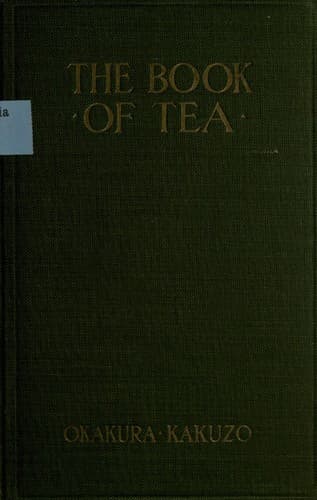
Japan -- Social life and customs; Japanese tea ceremony; Tea
Manifold indeed have been the contributions of the tea-masters to art.
They completely revolutionised the classical architecture and interior
decorations, and established the new style which we have described in
the chapter of the tea-room, a style to whose influence even the palaces
and monasteries built after the sixteenth century have all been subject.
The many-sided Kobori-Enshiu has left notable examples of his genius in
the Imperial villa of Katsura, the castles of Nagoya and Nijo, and the
monastery of Kohoan. All the celebrated gardens of Japan were laid out
by the tea-masters. Our pottery would probably never have attained its
high quality of excellence if the tea-masters had not lent it to their
inspiration, the manufacture of the utensils used in the tea-ceremony
calling forth the utmost expenditure of ingenuity on the parts of our
ceramists. The Seven Kilns of Enshiu are well known to all students
of Japanese pottery. Many of our textile fabrics bear the names of
tea-masters who conceived their color or design. It is impossible,
indeed, to find any department of art in which the tea-masters have
not left marks of their genius. In painting and lacquer it seems almost
superfluous to mention the immense services they have rendered. One
of the greatest schools of painting owes its origin to the tea-master
Honnami-Koyetsu, famed also as a lacquer artist and potter. Beside
his works, the splendid creation of his grandson, Koho, and of his
grand-nephews, Korin and Kenzan, almost fall into the shade. The whole
Korin school, as it is generally designated, is an expression of Teaism.
In the broad lines of this school we seem to find the vitality of nature
herself.
Great as has been the influence of the tea-masters in the field of art,
it is as nothing compared to that which they have exerted on the conduct
of life. Not only in the usages of polite society, but also in the
arrangement of all our domestic details, do we feel the presence of the
tea-masters. Many of our delicate dishes, as well as our way of serving
food, are their inventions. They have taught us to dress only in
garments of sober colors. They have instructed us in the proper spirit
in which to approach flowers. They have given emphasis to our natural
love of simplicity, and shown us the beauty of humility. In fact,
through their teachings tea has entered the life of the people.
Those of us who know not the secret of properly regulating our own
existence on this tumultuous sea of foolish troubles which we call life
are constantly in a state of misery while vainly trying to appear happy
and contented. We stagger in the attempt to keep our moral equilibrium,
and see forerunners of the tempest in every cloud that floats on the
horizon. Yet there is joy and beauty in the roll of billows as they
sweep outward toward eternity. Why not enter into their spirit, or, like
Liehtse, ride upon the hurricane itself?
Public-domain text, read in full here on John Shaqi.
Reviews
Reviews
No reviews yet
Be the first to share your thoughts on this work.
Join the Discussion
Join the discussion
Sign in to leave a comment or review.
Sign InorCreate an account