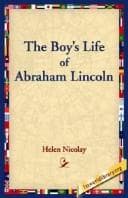
Lincoln, Abraham, 1809-1865; Presidents -- United States -- Biography
In enthusiasm the Republicans quickly took the lead. "Wide Awake" clubs
of young men, wearing caps and capes of glazed oilcloth to protect their
clothing from the dripping oil of their torches, gathered in torchlight
processions miles in length. Fence rails, supposed to have been made by
Lincoln in his youth, were set up in party headquarters and trimmed
with flowers and lighted tapers. Lincoln was called the "Rail-splitter
Candidate," and this telling name, added to the equally telling "Honest
Old Abe," by which he had long been known in Illinois, furnished country
and city campaign orators with a powerful appeal to the sympathy and
trust of the working-people of the United States. Men and women read in
newspaper and pamphlet biographies the story of his humble beginnings:
how he had risen by simple, earnest work and native genius, first to
fame and leadership in his own State, and then to fame and leadership
in the nation; and these titles quickly grew to be much more than mere
party nicknames--to stand for a faith and trust destined to play no
small part in the history of the next few years.
After the nominations were made Douglas went on a tour of speech-making
through the South. Lincoln, on the contrary, stayed quietly at home in
Springfield. His personal habits and surroundings varied little during
the whole of this campaign summer. Naturally he gave up active law
practice, leaving his office in charge of his partner, William H.
Herndon. He spent the time during the usual business hours of each day
in the governor's room of the State-house at Springfield, attended only
by his private secretary, Mr. Nicolay. Friends and strangers alike were
able to visit him freely and without ceremony, and few went away without
being impressed by the sincere frankness of his manner and conversation.
All sorts of people came to see him: those from far-away States, East
and West, as well as those from nearer home. Politicians came to ask
him for future favors, and many whose only motives were friendliness or
curiosity called to express their good wishes and take the Republican
candidate by the hand.
Public-domain text, read in full here on John Shaqi.
Reviews
Reviews
No reviews yet
Be the first to share your thoughts on this work.
Join the Discussion
Join the discussion
Sign in to leave a comment or review.
Sign InorCreate an account