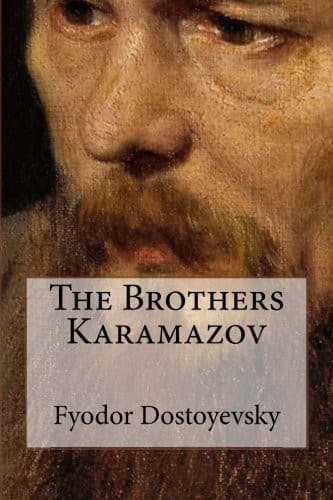
Brothers -- Fiction; Didactic fiction; Fathers and sons -- Fiction; Russia -- Social life and customs -- 1533-1917 -- Fiction
And he would go away seeming comforted, but next day he would come
again, bitter, pale, sarcastic.
“Every time I come to you, you look at me so inquisitively as though to
say, ‘He has still not confessed!’ Wait a bit, don’t despise me too
much. It’s not such an easy thing to do, as you would think. Perhaps I
shall not do it at all. You won’t go and inform against me then, will
you?”
And far from looking at him with indiscreet curiosity, I was afraid to
look at him at all. I was quite ill from anxiety, and my heart was full
of tears. I could not sleep at night.
“I have just come from my wife,” he went on. “Do you understand what
the word ‘wife’ means? When I went out, the children called to me,
‘Good-by, father, make haste back to read _The Children’s Magazine_
with us.’ No, you don’t understand that! No one is wise from another
man’s woe.”
His eyes were glittering, his lips were twitching. Suddenly he struck
the table with his fist so that everything on it danced—it was the
first time he had done such a thing, he was such a mild man.
“But need I?” he exclaimed, “must I? No one has been condemned, no one
has been sent to Siberia in my place, the man died of fever. And I’ve
been punished by my sufferings for the blood I shed. And I shan’t be
believed, they won’t believe my proofs. Need I confess, need I? I am
ready to go on suffering all my life for the blood I have shed, if only
my wife and children may be spared. Will it be just to ruin them with
me? Aren’t we making a mistake? What is right in this case? And will
people recognize it, will they appreciate it, will they respect it?”
“Good Lord!” I thought to myself, “he is thinking of other people’s
respect at such a moment!” And I felt so sorry for him then, that I
believe I would have shared his fate if it could have comforted him. I
saw he was beside himself. I was aghast, realizing with my heart as
well as my mind what such a resolution meant.
“Decide my fate!” he exclaimed again.
“Go and confess,” I whispered to him. My voice failed me, but I
whispered it firmly. I took up the New Testament from the table, the
Russian translation, and showed him the Gospel of St. John, chapter
xii. verse 24:
“Verily, verily, I say unto you, except a corn of wheat fall into the
ground and die, it abideth alone: but if it die, it bringeth forth much
fruit.”
I had just been reading that verse when he came in. He read it.
“That’s true,” he said, but he smiled bitterly. “It’s terrible the
things you find in those books,” he said, after a pause. “It’s easy
enough to thrust them upon one. And who wrote them? Can they have been
written by men?”
“The Holy Spirit wrote them,” said I.
“It’s easy for you to prate,” he smiled again, this time almost with
hatred.
I took the book again, opened it in another place and showed him the
Epistle to the Hebrews, chapter x. verse 31. He read:
“It is a fearful thing to fall into the hands of the living God.”
Public-domain text, read in full here on John Shaqi.
Reviews
Reviews
No reviews yet
Be the first to share your thoughts on this work.
Elsewhere in the archive
Join the Discussion
Join the discussion
Sign in to leave a comment or review.
Sign InorCreate an account