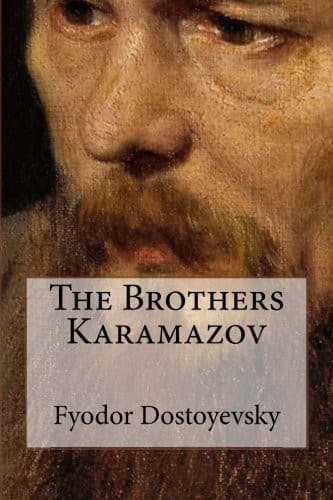
Brothers -- Fiction; Didactic fiction; Fathers and sons -- Fiction; Russia -- Social life and customs -- 1533-1917 -- Fiction
Father Zossima sat down on a very old-fashioned mahogany sofa, covered
with leather, and made his visitors sit down in a row along the
opposite wall on four mahogany chairs, covered with shabby black
leather. The monks sat, one at the door and the other at the window.
The divinity student, the novice, and Alyosha remained standing. The
cell was not very large and had a faded look. It contained nothing but
the most necessary furniture, of coarse and poor quality. There were
two pots of flowers in the window, and a number of holy pictures in the
corner. Before one huge ancient ikon of the Virgin a lamp was burning.
Near it were two other holy pictures in shining settings, and, next
them, carved cherubims, china eggs, a Catholic cross of ivory, with a
Mater Dolorosa embracing it, and several foreign engravings from the
great Italian artists of past centuries. Next to these costly and
artistic engravings were several of the roughest Russian prints of
saints and martyrs, such as are sold for a few farthings at all the
fairs. On the other walls were portraits of Russian bishops, past and
present.
Miüsov took a cursory glance at all these “conventional” surroundings
and bent an intent look upon the elder. He had a high opinion of his
own insight, a weakness excusable in him as he was fifty, an age at
which a clever man of the world of established position can hardly help
taking himself rather seriously. At the first moment he did not like
Zossima. There was, indeed, something in the elder’s face which many
people besides Miüsov might not have liked. He was a short, bent,
little man, with very weak legs, and though he was only sixty-five, he
looked at least ten years older. His face was very thin and covered
with a network of fine wrinkles, particularly numerous about his eyes,
which were small, light-colored, quick, and shining like two bright
points. He had a sprinkling of gray hair about his temples. His pointed
beard was small and scanty, and his lips, which smiled frequently, were
as thin as two threads. His nose was not long, but sharp, like a bird’s
beak.
“To all appearances a malicious soul, full of petty pride,” thought
Miüsov. He felt altogether dissatisfied with his position.
A cheap little clock on the wall struck twelve hurriedly, and served to
begin the conversation.
“Precisely to our time,” cried Fyodor Pavlovitch, “but no sign of my
son, Dmitri. I apologize for him, sacred elder!” (Alyosha shuddered all
over at “sacred elder.”) “I am always punctual myself, minute for
minute, remembering that punctuality is the courtesy of kings....”
“But you are not a king, anyway,” Miüsov muttered, losing his
self-restraint at once.
Public-domain text, read in full here on John Shaqi.
Reviews
Reviews
No reviews yet
Be the first to share your thoughts on this work.
Join the Discussion
Join the discussion
Sign in to leave a comment or review.
Sign InorCreate an account