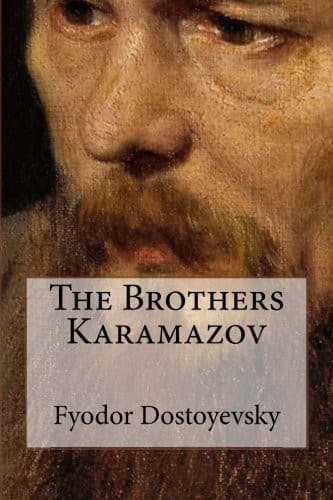
Brothers -- Fiction; Didactic fiction; Fathers and sons -- Fiction; Russia -- Social life and customs -- 1533-1917 -- Fiction
Immediately after the elopement Adelaïda Ivanovna discerned in a flash
that she had no feeling for her husband but contempt. The marriage
accordingly showed itself in its true colors with extraordinary
rapidity. Although the family accepted the event pretty quickly and
apportioned the runaway bride her dowry, the husband and wife began to
lead a most disorderly life, and there were everlasting scenes between
them. It was said that the young wife showed incomparably more
generosity and dignity than Fyodor Pavlovitch, who, as is now known,
got hold of all her money up to twenty-five thousand roubles as soon as
she received it, so that those thousands were lost to her for ever. The
little village and the rather fine town house which formed part of her
dowry he did his utmost for a long time to transfer to his name, by
means of some deed of conveyance. He would probably have succeeded,
merely from her moral fatigue and desire to get rid of him, and from
the contempt and loathing he aroused by his persistent and shameless
importunity. But, fortunately, Adelaïda Ivanovna’s family intervened
and circumvented his greediness. It is known for a fact that frequent
fights took place between the husband and wife, but rumor had it that
Fyodor Pavlovitch did not beat his wife but was beaten by her, for she
was a hot-tempered, bold, dark-browed, impatient woman, possessed of
remarkable physical strength. Finally, she left the house and ran away
from Fyodor Pavlovitch with a destitute divinity student, leaving
Mitya, a child of three years old, in her husband’s hands. Immediately
Fyodor Pavlovitch introduced a regular harem into the house, and
abandoned himself to orgies of drunkenness. In the intervals he used to
drive all over the province, complaining tearfully to each and all of
Adelaïda Ivanovna’s having left him, going into details too disgraceful
for a husband to mention in regard to his own married life. What seemed
to gratify him and flatter his self-love most was to play the
ridiculous part of the injured husband, and to parade his woes with
embellishments.
Public-domain text, read in full here on John Shaqi.
Reviews
Reviews
No reviews yet
Be the first to share your thoughts on this work.
Join the Discussion
Join the discussion
Sign in to leave a comment or review.
Sign InorCreate an account