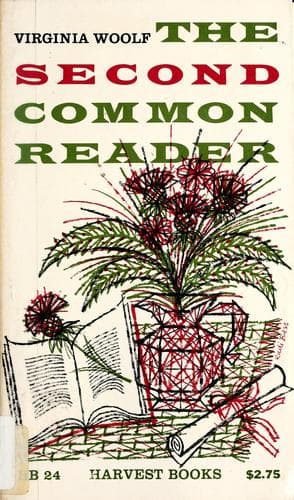
English literature -- History and criticism; Literature, Modern -- History and criticism
six places at once, especially now that Caister Castle was his, and he
must be in London trying to get his rights recognised by the King? The
King was mad too, they said; did not know his own child, they said; or
the King was in flight; or there was civil war in the land. Norfolk was
always the most distressed of counties and its country gentlemen the
most quarrelsome of mankind. Indeed, had Mrs. Paston chosen, she could
have told her children how when she was a young woman a thousand men
with bows and arrows and pans of burning fire had marched upon Gresham
and broken the gates and mined the walls of the room where she sat
alone. But much worse things than that had happened to women. She
neither bewailed her lot nor thought herself a heroine. The long, long
letters which she wrote so laboriously in her clear cramped hand to her
husband, who was (as usual) away, make no mention of herself. The sheep
had wasted the hay. Heyden’s and Tuddenham’s men were out. A dyke had
been broken and a bullock stolen. They needed treacle badly, and really
she must have stuff for a dress.
But Mrs. Paston did not talk about herself.
Thus the little Pastons would see their mother writing or dictating page
after page, hour after hour, long, long letters, but to interrupt a
parent who writes so laboriously of such important matters would have
been a sin. The prattle of children, the lore of the nursery or
schoolroom, did not find its way into these elaborate communications.
For the most part her letters are the letters of an honest bailiff to
his master, explaining, asking advice, giving news, rendering accounts.
There was robbery and manslaughter; it was difficult to get in the
rents; Richard Calle had gathered but little money; and what with one
thing and another Margaret had not had time to make out, as she should
have done, the inventory of the goods which her husband desired. Well
might old Agnes, surveying her son’s affairs rather grimly from a
distance, counsel him to contrive it so that “ye may have less to do in
the world; your father said. In little business lieth much rest. This
world is but a thoroughfare, and full of woe; and when we depart
therefrom, right nought bear with us but our good deeds and ill.”
Public-domain text, read in full here on John Shaqi.
Reviews
Reviews
No reviews yet
Be the first to share your thoughts on this work.
Join the Discussion
Join the discussion
Sign in to leave a comment or review.
Sign InorCreate an account