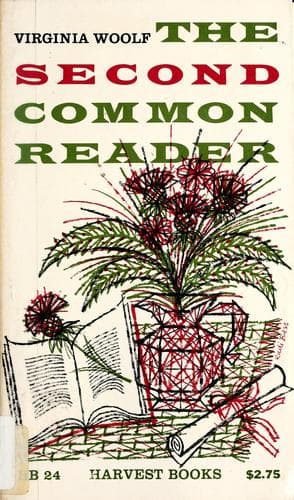
English literature -- History and criticism; Literature, Modern -- History and criticism
Let us rub off such incrustations, so far as they are due to the
corrosion of Pope’s wit or the deposit of mid-Victorian lachrymosity,
and see what, for us in our time, remains. In the first place, there
remains the not despicable virtue, after two centuries of existence, of
being readable. Addison can fairly lay claim to that; and then, slipped
in on the tide of the smooth, well-turned prose, are little eddies,
diminutive waterfalls, agreeably diversifying the polished surface. We
begin to take note of whims, fancies, peculiarities on the part of the
essayist which light up the prim, impeccable countenance of the moralist
and convince us that, however tightly he may have pursed his lips, his
eyes are very bright and not so shallow after all. He is alert to his
finger tips. Little muffs, silver garters, fringed gloves draw his
attention; he observes with a keen, quick glance, not unkindly, and full
rather of amusement than of censure. To be sure, the age was rich in
follies. Here were coffee-houses packed with politicians talking of
Kings and Emperors and letting their own small affairs go to ruin.
Crowds applauded the Italian opera every night without understanding a
word of it. Critics discoursed of the unities. Men gave a thousand
pounds for a handful of tulip roots. As for women—or “the fair sex”, as
Addison liked to call them—their follies were past counting. He did his
best to count them, with a loving particularity which roused the ill
humour of Swift. But he did it very charmingly, with a natural relish
for the task, as the following passage shows:
I consider woman as a beautiful romantic animal, that may be adorned
with furs and feathers, pearls and diamonds, ores and silks. The lynx
shall cast its skin at her feet to make her a tippet; the peacock,
parrot, and swan, shall pay contributions to her muff; the sea shall be
searched for shells, and the rocks for gems; and every part of nature
furnish out its share towards the embellishment of a creature that is
the most consummate work of it. All this I shall indulge them in; but as
for the petticoat I have been speaking of, I neither can nor will allow
it.
Public-domain text, read in full here on John Shaqi.
Reviews
Reviews
No reviews yet
Be the first to share your thoughts on this work.
Elsewhere in the archive
Join the Discussion
Join the discussion
Sign in to leave a comment or review.
Sign InorCreate an account