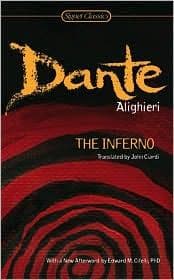
The Divine Comedy of Dante Alighieri: The InfernoDante Alighieri
ReligionJewish
The Divine Comedy of Dante Alighieri: The Inferno
Dante Alighieri
Epic poetry, Italian -- Translations into English; Hell; Italian poetry -- To 1400 -- Translations into English
Ugolino della Gherardesca, Count of Donoratico, a wealthy noble and a
man fertile in political resource, was deeply engaged in the affairs of
Pisa at a critical period of her history. He was born in the first half
of the thirteenth century. By giving one of his daughters in marriage to
the head of the Visconti of Pisa--not to be confounded with those of
Milan--he came under the suspicion of being Guelf in his sympathies; the
general opinion of Pisa being then, as it always had been, strongly
Ghibeline. When driven into exile, as he was along with the Visconti, he
improved the occasion by entering into close relations with the leading
Guelfs of Tuscany, and in 1278 a free return for him to Pisa was made by
them a condition of peace with that city. He commanded one of the
divisions of the Pisan fleet at the disastrous battle of Meloria in
1284, when Genoa wrested from her rival the supremacy of the Western
Mediterranean, and carried thousands of Pisan citizens into a captivity
which lasted many years. Isolated from her Ghibeline allies, and for the
time almost sunk in despair, the city called him to the government with
wellnigh dictatorial powers; and by dint of crafty negotiations in
detail with the members of the league formed against Pisa, helped as was
believed by lavish bribery, he had the glory of saving the Commonwealth
from destruction though he could not wholly save it from loss. This was
in 1285. He soon came to be suspected of being in a secret alliance with
Florence and of being lukewarm in the negotiations for the return of the
prisoners in Genoa, all with a view to depress the Ghibeline element in
the city that he might establish himself as an absolute tyrant with the
greater ease. In order still further to strengthen his position he
entered into a family compact with his Guelf grandson Nino (_Purg._
viii. 53), now at the head of the Visconti. But without the support of
the people it was impossible for him to hold his ground against the
Ghibeline nobles, who resented the arrogance of his manners and were
embittered by the loss of their own share in the government; and these
contrived that month by month the charges of treachery brought against
him should increase in virulence. He had, by deserting his post, caused
the defeat at Meloria, it was said; and had bribed the other Tuscan
cities to favour him, by ceding to them distant Pisan strongholds. His
fate was sealed when, having quarrelled with his grandson Nino, he
sought alliance with the Archbishop Roger who now led the Ghibeline
opposition. With Ugo's connivance an onslaught was planned upon the
Guelfs. To preserve an appearance of impartiality he left the city for a
neighbouring villa. On returning to enjoy his riddance from a rival he
was invited to a conference, at which he resisted a proposal that he
should admit partners with him in the government. On this the
Archbishop's party raised the cry of treachery; the bells rang out for a
Public-domain text, read in full here on John Shaqi.
Reviews
Reviews
No reviews yet
Be the first to share your thoughts on this work.
Elsewhere in the archive
Join the Discussion
Join the discussion
Sign in to leave a comment or review.
Sign InorCreate an account