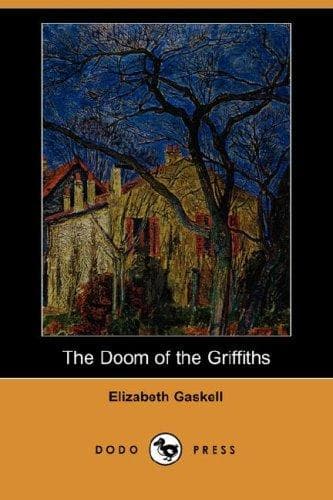
The Doom of the GriffithsGaskell, Elizabeth Cleghorn
General
The Doom of the Griffiths
Gaskell, Elizabeth Cleghorn
England -- Social life and customs -- 19th century -- Fiction; Horror tales, English
THE DOOM OF THE GRIFFITHS
by Elizabeth Gaskell
CHAPTER I.
I have always been much interested by the traditions which are scattered
up and down North Wales relating to Owen Glendower (Owain Glendwr is the
national spelling of the name), and I fully enter into the feeling which
makes the Welsh peasant still look upon him as the hero of his country.
There was great joy among many of the inhabitants of the principality,
when the subject of the Welsh prize poem at Oxford, some fifteen or
sixteen years ago, was announced to be “Owain Glendwr.” It was the most
proudly national subject that had been given for years.
Perhaps, some may not be aware that this redoubted chieftain is, even in
the present days of enlightenment, as famous among his illiterate
countrymen for his magical powers as for his patriotism. He says
himself—or Shakespeare says it for him, which is much the same thing—
‘At my nativity
The front of heaven was full of fiery shapes
Of burning cressets . . .
. . . I can call spirits from the vasty deep.’
And few among the lower orders in the principality would think of asking
Hotspur’s irreverent question in reply.
Among other traditions preserved relative to this part of the Welsh
hero’s character, is the old family prophecy which gives title to this
tale. When Sir David Gam, “as black a traitor as if he had been born in
Builth,” sought to murder Owen at Machynlleth, there was one with him
whose name Glendwr little dreamed of having associated with his enemies.
Rhys ap Gryfydd, his “old familiar friend,” his relation, his more than
brother, had consented unto his blood. Sir David Gam might be forgiven,
but one whom he had loved, and who had betrayed him, could never be
forgiven. Glendwr was too deeply read in the human heart to kill him.
No, he let him live on, the loathing and scorn of his compatriots, and
the victim of bitter remorse. The mark of Cain was upon him.
But before he went forth—while he yet stood a prisoner, cowering beneath
his conscience before Owain Glendwr—that chieftain passed a doom upon him
and his race:
“I doom thee to live, because I know thou wilt pray for death. Thou
shalt live on beyond the natural term of the life of man, the scorn of
all good men. The very children shall point to thee with hissing tongue,
and say, ‘There goes one who would have shed a brother’s blood!’ For I
loved thee more than a brother, oh Rhys ap Gryfydd! Thou shalt live on
to see all of thy house, except the weakling in arms, perish by the
sword. Thy race shall be accursed. Each generation shall see their
lands melt away like snow; yea their wealth shall vanish, though they may
labour night and day to heap up gold. And when nine generations have
passed from the face of the earth, thy blood shall no longer flow in the
veins of any human being. In those days the last male of thy race shall
avenge me. The son shall slay the father.”
Public-domain text, read in full here on John Shaqi.
Reviews
Reviews
No reviews yet
Be the first to share your thoughts on this work.
Join the Discussion
Join the discussion
Sign in to leave a comment or review.
Sign InorCreate an account