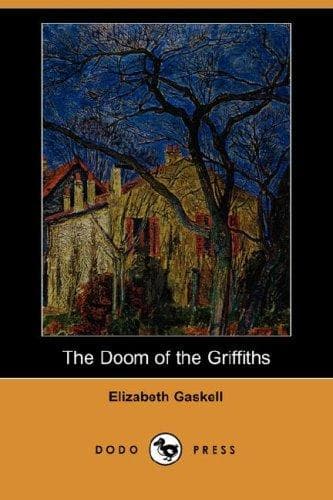
The Doom of the GriffithsGaskell, Elizabeth Cleghorn
General
The Doom of the Griffiths
Gaskell, Elizabeth Cleghorn
England -- Social life and customs -- 19th century -- Fiction; Horror tales, English
Years passed on; and as Owen grew older he became more observant. He
saw, even in his occasional visits at home (for from school he had passed
on to college), that a great change had taken place in the outward
manifestations of his father’s character; and, by degrees, Owen traced
this change to the influence of his stepmother; so slight, so
imperceptible to the common observer, yet so resistless in its effects.
Squire Griffiths caught up his wife’s humbly advanced opinions, and,
unawares to himself, adopted them as his own, defying all argument and
opposition. It was the same with her wishes; they met their fulfilment,
from the extreme and delicate art with which she insinuated them into her
husband’s mind, as his own. She sacrificed the show of authority for the
power. At last, when Owen perceived some oppressive act in his father’s
conduct toward his dependants, or some unaccountable thwarting of his own
wishes, he fancied he saw his stepmother’s secret influence thus
displayed, however much she might regret the injustice of his father’s
actions in her conversations with him when they were alone. His father
was fast losing his temperate habits, and frequent intoxication soon took
its usual effect upon the temper. Yet even here was the spell of his
wife upon him. Before her he placed a restraint upon his passion, yet
she was perfectly aware of his irritable disposition, and directed it
hither and thither with the same apparent ignorance of the tendency of
her words.
Meanwhile Owen’s situation became peculiarly mortifying to a youth whose
early remembrances afforded such a contrast to his present state. As a
child, he had been elevated to the consequence of a man before his years
gave any mental check to the selfishness which such conduct was likely to
engender; he could remember when his will was law to the servants and
dependants, and his sympathy necessary to his father: now he was as a
cipher in his father’s house; and the Squire, estranged in the first
instance by a feeling of the injury he had done his son in not sooner
acquainting him with his purposed marriage, seemed rather to avoid than
to seek him as a companion, and too frequently showed the most utter
indifference to the feelings and wishes which a young man of a high and
independent spirit might be supposed to indulge.
Perhaps Owen was not fully aware of the force of all these circumstances;
for an actor in a family drama is seldom unimpassioned enough to be
perfectly observant. But he became moody and soured; brooding over his
unloved existence, and craving with a human heart after sympathy.
Public-domain text, read in full here on John Shaqi.
Reviews
Reviews
No reviews yet
Be the first to share your thoughts on this work.
Join the Discussion
Join the discussion
Sign in to leave a comment or review.
Sign InorCreate an account