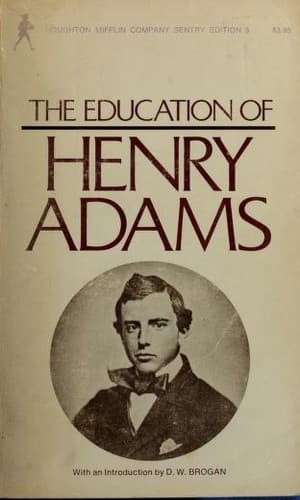
Adams, Henry, 1838-1918; Historians -- United States -- Biography
For naivete that would be unusual in an unpaid attache of
Legation, this sudden leap from his own to his opponent's ground, after
two years and a half of dogged resistance, might have roused Palmerston
to inhuman scorn, but instead of derision, well earned by Russell's old
attacks on himself, Palmerston met the appeal with wonderful loyalty.
"On consulting the law officers he found that there was no lawful
ground for meddling with the ironclads," or, in unprofessional
language, that he could trust neither his law officers nor a Liverpool
jury; and therefore he suggested buying the ships for the British Navy.
As proof of "criminal negligence" in the past, this suggestion seemed
decisive, but Russell, by this time, was floundering in other troubles
of negligence, for he had neglected to notify the American Minister. He
should have done so at once, on September 3. Instead he waited till
September 4, and then merely said that the matter was under "serious
and anxious consideration." This note did not reach the Legation till
three o'clock on the afternoon of September 5--after the "superfluous"
declaration of war had been sent. Thus, Lord Russell had sacrificed the
Lairds: had cost his Ministry the price of two ironclads, besides the
Alabama Claims--say, in round numbers, twenty million dollars--and had
put himself in the position of appearing to yield only to a threat of
war. Finally he wrote to the Admiralty a letter which, from the
American point of view, would have sounded youthful from an Eton
schoolboy:--
September 14, 1863.
MY DEAR DUKE:--
It is of the utmost importance and urgency that the ironclads
building at Birkenhead should not go to America to break the
blockade. They belong to Monsieur Bravay of Paris. If you will
offer to buy them on the part of the Admiralty you will get
money's worth if he accepts your offer; and if he does not, it
will be presumptive proof that they are already bought by the
Confederates. I should state that we have suggested to the
Turkish Government to buy them; but you can easily settle that
matter with the Turks....
The hilarity of the secretaries in Portland Place would have
been loud had they seen this letter and realized the muddle of
difficulties into which Earl Russell had at last thrown himself under
the impulse of the American Minister; but, nevertheless, these letters
upset from top to bottom the results of the private secretary's
diplomatic education forty years after he had supposed it complete.
They made a picture different from anything he had conceived and
rendered worthless his whole painful diplomatic experience.
Public-domain text, read in full here on John Shaqi.
Reviews
Reviews
No reviews yet
Be the first to share your thoughts on this work.
Elsewhere in the archive
Join the Discussion
Join the discussion
Sign in to leave a comment or review.
Sign InorCreate an account